
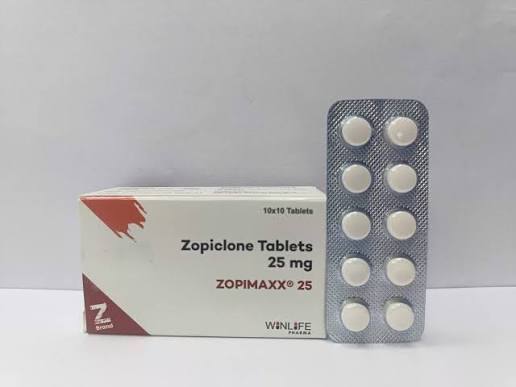
Zopiclone 25 mg: Uses, Strengths and Important Safety Information
Zopiclone is a prescription sleeping medicine used for the short-term treatment of insomnia in adults when sleep difficulties are severe, distressing or significantly affect everyday life. It belongs to a group of medicines known as hypnotics. Treatment may be considered when a clinician determines that the expected benefits outweigh the risks and that other contributing factors have been appropriately assessed.
This guide explains what zopiclone is, how it works, which strengths are listed in UK product information, what side effects may occur and why treatment duration matters. It also covers interactions, driving precautions and the risks of dependence and withdrawal.
Zopiclone is not suitable for everyone and should not be used without an appropriate prescription. A product’s advertised name or strength does not establish that it is authorised, genuine or suitable for an individual patient.
What Is Zopiclone 25 mg?
Zopiclone is a hypnotic medicine that acts on the central nervous system. It affects signalling involving gamma-aminobutyric acid (GABA), a neurotransmitter involved in regulating brain activity. By influencing this signalling system, zopiclone produces sedative effects that can help a suitable patient fall asleep and remain asleep.
Although zopiclone acts on receptors associated with the GABA system, it is not identical to a benzodiazepine. It is commonly described as a non-benzodiazepine hypnotic, or a Z-drug. Despite this distinction, it can still cause tolerance, physical dependence, withdrawal symptoms, impaired coordination and potentially dangerous sedation.
The medicine is generally considered for short-term use rather than as a routine long-term solution to persistent sleep difficulties. Its use should form part of a treatment plan that considers the cause of insomnia, the patient’s health, other medicines and approaches to improving sleep.
What Is Zopiclone 25 mg Used For?
UK-authorised zopiclone products are indicated for short-term treatment of insomnia in adults. Insomnia may involve difficulty falling asleep, waking repeatedly during the night or waking too early and being unable to return to sleep.
Difficulty falling asleep
Some people spend a long time awake after going to bed, even when they feel tired. This may occur alongside stress, changes in routine, pain, anxiety or other medical concerns. If sleep difficulties are persistent or significantly affect daytime functioning, a healthcare professional can assess possible causes and discuss appropriate management.
Repeated waking during the night
Insomnia can involve waking several times and struggling to return to sleep. Night-time interruptions may be associated with physical symptoms, environmental disturbances, stress or another sleep disorder. Treatment should consider these contributing factors rather than focusing only on the number of hours spent in bed.
Early-morning waking
Waking much earlier than intended and being unable to return to sleep can affect concentration, mood and daily activities. Recurrent early waking may have several causes, including depression, pain, medication effects or an irregular sleep schedule. A clinician can help determine whether additional assessment is needed.
Zopiclone is not an appropriate self-selected treatment for every sleep problem. Its suitability depends on the severity and duration of symptoms, medical history, other medicines and the assessment of the prescriber.
Understanding Zopiclone Strengths in the UK
UK-authorised product information lists zopiclone tablets in strengths including 3.75 mg and 7.5 mg. The electronic Medicines Compendium provides product-specific information for these strengths, including approved indications, precautions and patient leaflets.
A strength expressed in milligrams refers to the amount of active ingredient in an individual tablet. It does not mean that a person should take that amount without a prescription, and it should never be used to calculate an alternative regimen independently.
Important strength verification: zopiclone 25 mg, 20 mg and 10 mg are not the standard UK tablet strengths shown in the cited authorised product information. Do not describe these as approved UK strengths or publish a sales claim for them without checking the precise product, formulation and marketing authorisation against current official records.
The correct product name, strength, formulation, manufacturer and dispensing instructions should match the prescription and packaging. Medicines that have similar names or appear to contain the same active ingredient may differ in formulation, authorisation and instructions.
How Does Zopiclone Work?
Zopiclone acts on the GABA receptor complex in the central nervous system. GABA is involved in reducing neuronal activity, and medicines that influence this system can produce calming and sedative effects.
Through its action on this receptor system, zopiclone can help promote sleep in adults for whom it has been prescribed. However, its effects are not limited to sleep. It may also impair alertness, reaction time, memory and coordination, which is why patients need to follow safety instructions carefully.
People can respond differently to the medicine. Age, liver function, respiratory health, other medicines and individual sensitivity may affect its effects and the likelihood of adverse reactions. A prescriber should consider these factors before deciding whether treatment is appropriate.
Why Zopiclone Is Usually Prescribed for a Short Period
Sleep medicines can be helpful in selected circumstances, but continued use may lead to tolerance, dependence or difficulty sleeping when treatment is reduced or stopped. For these reasons, UK product information advises the shortest effective treatment duration and generally limits a course to no more than four weeks, including any period of gradual reduction, unless a specialist clinical decision supports otherwise.
Before treatment starts, the prescriber should explain the expected duration, the intended benefits, possible adverse effects and how treatment will be reviewed and ended. Patients should know whom to contact if their sleep difficulties continue or return.
Persistent insomnia may require investigation of contributing health conditions, medicine effects, stress or other sleep disorders. Cognitive behavioural therapy for insomnia (CBT-I) and changes to sleep habits may be important parts of longer-term management.
Possible Side Effects of Zopiclone
Side effects vary between individuals. Some may occur even when zopiclone is taken as prescribed. The patient information leaflet for the exact product should be consulted for a full list.
Common or recognised effects
- A bitter or metallic taste in the mouth.
- Drowsiness or reduced alertness the following day.
- Dizziness or light-headedness.
- Headache.
- Dry mouth.
- Nausea or other gastrointestinal discomfort.
- Fatigue or reduced coordination.
- Memory problems in some circumstances.
Older adults may be particularly vulnerable to falls and injuries associated with sedation or impaired balance. Tell a healthcare professional if side effects persist, interfere with daily life or become more severe.
Memory problems and unusual sleep behaviours
Zopiclone may cause memory impairment, confusion or unusual behaviour. Some people have reported complex sleep behaviours, such as walking, eating or undertaking other activities while not fully awake, with little or no recollection afterwards.
If a complex sleep behaviour occurs, stop taking further doses and contact a healthcare professional promptly for advice. Seek urgent help if the behaviour has caused an injury or placed the person or others in immediate danger.
Serious allergic reactions
Rare but serious allergic reactions can occur. Swelling of the face, lips, tongue or throat, or difficulty breathing, requires emergency medical assistance. Do not wait to see whether symptoms resolve on their own.
When to seek urgent help
Obtain emergency assistance if someone taking zopiclone has severe breathing difficulties, is difficult to wake, becomes unconscious or may have taken an overdose. Severe confusion or dangerous behaviour also requires urgent assessment.
Dependence, Tolerance and Withdrawal
Zopiclone can cause physical or psychological dependence. Physical dependence means that the body has adapted to repeated exposure to the medicine. Psychological dependence may involve feeling unable to sleep without taking it. These effects can develop even when the medicine has been used under medical supervision.
The risk of dependence increases with higher doses, longer treatment duration and certain individual risk factors, including a history of alcohol or drug misuse. Taking zopiclone with alcohol or other sedating medicines may increase the risk of harm.
Tolerance can also occur, meaning that the same amount may seem less effective over time. Increasing the dose independently is unsafe and may worsen adverse effects or dependence.
Stopping suddenly after regular use can lead to withdrawal symptoms or rebound insomnia. Symptoms may include anxiety, restlessness, irritability, sweating or worsening sleep difficulties. More serious symptoms can occur in some circumstances.
Do not abruptly stop or substantially change a regular regimen without advice from the prescriber. A clinician can decide whether a gradual reduction is needed and tailor the plan to the patient’s circumstances.
Zopiclone Interactions
Before starting treatment, provide the prescriber or pharmacist with a complete list of medicines, supplements and other substances being used. Interactions can increase sedation or alter how the medicine is processed by the body.
Alcohol
Alcohol can increase the sedative effects of zopiclone and may lead to excessive drowsiness, impaired judgement or dangerous effects on breathing. Do not drink alcohol while taking zopiclone.
Opioids
Opioid medicines can suppress breathing and cause sedation. Taking them with zopiclone may increase the risk of severe respiratory depression, coma and death. The combination requires careful medical assessment and should never be undertaken independently.
Other sleeping medicines and sedatives
Benzodiazepines, other hypnotics, sedating antihistamines and certain medicines used for mental health conditions can add to the sedative effects of zopiclone. Tell the prescriber about all such medicines before treatment starts.
Medicines that affect liver enzymes
Some medicines can change the way zopiclone is metabolised, potentially affecting its effects or adverse reactions. Examples may include certain antibiotics, antifungal medicines and other drugs that influence liver enzymes. A pharmacist can assess the specific combination and advise whether additional precautions are required.
Who Needs Extra Caution?
Zopiclone is not suitable for everyone. The prescriber should assess relevant health conditions and the potential risks before treatment begins.
- Respiratory conditions: People with breathing difficulties may face an increased risk of respiratory depression.
- Sleep apnoea: Severe sleep apnoea is a contraindication in UK product information.
- Liver impairment: Reduced liver function may affect medicine elimination and require a different clinical approach.
- Myasthenia gravis: Zopiclone is contraindicated for people with this condition in the cited UK product information.
- Older adults: Sedation, confusion and falls may be more concerning, and a lower starting dose is commonly specified in product information.
- Pregnancy and breastfeeding: Seek individual medical advice because the medicine may pose risks and may not be appropriate.
- History of substance misuse: The potential for dependence or misuse requires particular consideration.
This list is not exhaustive. The exact contraindications and warnings must be checked in the official information for the prescribed product.
Driving and Next-Day Alertness
Zopiclone can affect attention, reaction time, coordination and memory. Some people experience residual impairment the following morning, even if they feel awake.
Do not drive, cycle or operate machinery if you feel drowsy, dizzy, confused or otherwise impaired. Follow the product leaflet and professional advice about the interval between taking the medicine and undertaking activities that require full alertness.
Taking zopiclone with alcohol or other sedatives can make impairment worse. Do not assume that a full night’s sleep guarantees that driving is safe.
Responsible Use and Storage
Use zopiclone only if it has been prescribed for you and follow the dispensing label. Never take a larger amount, repeat a dose during the same night or use another person’s medicine. If the instructions are unclear, contact the dispensing pharmacist before taking it.
Keep the medicine in its original packaging and store it securely away from children and anyone for whom it was not prescribed. Follow the storage instructions provided with the product.
Do not use medicine after its expiry date or if its identity or packaging is uncertain. Ask a community pharmacist how to dispose of unwanted or expired medicine safely.
Frequently Asked Questions About Zopiclone
Is zopiclone available on prescription in the UK?
Yes. Zopiclone is a prescription-only medicine in the UK. It should be prescribed following an appropriate clinical assessment and dispensed through a lawful route.
What strengths of zopiclone are listed in UK product information?
UK product information includes 3.75 mg and 7.5 mg tablets, and other authorised products may have different listed strengths. Check the exact product in official medicine records before publishing a strength-specific product page.
Is zopiclone 25 mg a standard UK tablet strength?
No. The official UK product listings cited in this guide do not identify 25 mg as a standard authorised tablet strength. A product advertised at that strength should not be assumed to be genuine or authorised. Verify its identity and regulatory status before making any claims about it.
Can zopiclone be used for long-term insomnia?
Zopiclone is generally intended for short-term treatment. Continuing treatment beyond the specified period requires clinical reassessment because dependence, tolerance and withdrawal risks increase with prolonged use.
Can I drink alcohol while taking zopiclone?
No. Alcohol can intensify sedation and increase the risk of dangerous adverse effects. Follow the product leaflet and your clinician’s advice.
What should I do if I have taken more than prescribed?
Seek urgent medical advice. If the person is unconscious, difficult to wake or has breathing difficulties, call 999 immediately. Do not wait for symptoms to worsen.
What should I do if I experience unusual behaviour while asleep?
Do not take further doses until you have received medical advice. Contact a healthcare professional promptly, and obtain emergency help if anyone is injured or in immediate danger.
Official Sources and Further Reading
- Electronic Medicines Compendium: Zopiclone products — product listings and links to official medicine information.
- Zopiclone 3.75 mg: Summary of Product Characteristics — authorised product details, contraindications and prescribing information.
- Zopiclone 7.5 mg: Summary of Product Characteristics — official information about indications, warnings and treatment duration.
- NHS — trusted health information and guidance on sleep difficulties.
- Medicines and Healthcare products Regulatory Agency — UK medicine safety and regulatory information.
Medical Information Disclaimer
This page is for educational purposes and does not replace a medical consultation, prescription or the patient information leaflet. It does not establish that a particular product is authorised or available for sale. Always verify the exact medicine and its regulatory status, and consult a qualified healthcare professional for advice about personal treatment.

Reviews
There are no reviews yet.