
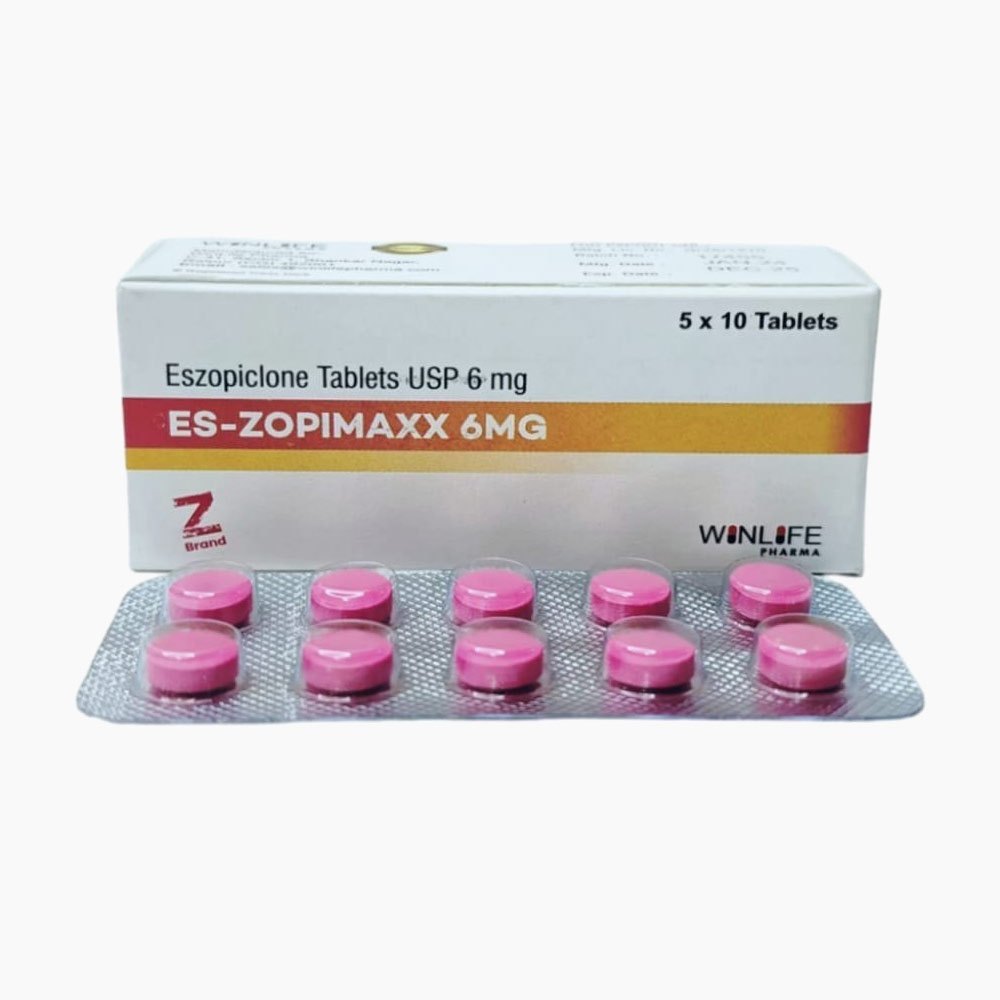
Eszopiclone 6 mg: Uses, Safety and Important Information
Eszopiclone is a prescription sleep medicine studied and used in some countries for the treatment of insomnia. Insomnia can involve difficulty falling asleep, waking repeatedly during the night, or waking earlier than intended and struggling to return to sleep. Ongoing sleep problems can affect concentration, mood, work, relationships and general wellbeing, so understanding the available treatments is important.
This guide explains what eszopiclone is, how it is used in insomnia care, possible side effects, important interactions and the questions to ask before using a sleep medicine. It is general educational information, not a personal treatment plan or a substitute for an authorised product’s patient information leaflet.
What Is Eszopiclone?
Eszopiclone is a sedative-hypnotic medicine used for insomnia in countries where it is authorised. It acts on signalling pathways involving gamma-aminobutyric acid (GABA), a chemical messenger that helps regulate activity in the central nervous system. Its effects can help promote sleep, but the same action can also reduce alertness and coordination.
Eszopiclone is related to zopiclone, but the medicines should not be treated as interchangeable milligram for milligram. Differences in licensing, available strengths, product instructions and prescribing guidance matter when assessing a medicine.
- A medicine’s availability in one country does not establish that it is authorised in another.
- A higher stated strength does not automatically mean better or safer treatment.
- Products should be checked against reliable regulatory information and supplied with appropriate professional oversight.
What Is Eszopiclone Used For?
In countries where it is approved, eszopiclone is indicated for the treatment of insomnia. Depending on the person and the clinical circumstances, insomnia may primarily involve difficulty getting to sleep, difficulty staying asleep, or both.
Difficulty falling asleep
Some people remain awake for a long time after going to bed despite feeling tired. Stress, irregular routines, environmental noise, caffeine, pain and other health concerns can contribute to this pattern. A healthcare professional can help identify possible causes and decide whether a medicine is appropriate.
Repeated waking during the night
Interrupted sleep may be linked to anxiety, breathing problems during sleep, alcohol, certain medicines or other conditions. Treating the underlying cause may be more useful than simply adding a sedating medicine. Persistent sleep disruption deserves assessment, particularly when it affects daytime functioning.
Insomnia that affects everyday life
Regularly sleeping poorly can make it harder to concentrate, manage emotions and carry out normal activities. A treatment plan may include changes to sleep habits, cognitive behavioural therapy for insomnia (CBT-I), review of existing medicines and, where appropriate, a prescribed medicine selected for the individual.
Is Eszopiclone 6 mg an Approved Strength?
Strength and licensing information should be checked before a product page describes a particular tablet as available or approved. The US prescribing information for eszopiclone lists 1 mg, 2 mg and 3 mg tablets. It does not list a 6 mg tablet, and its maximum recommended adult dose is 3 mg once daily.
This US information does not, by itself, determine the regulatory status of every product in the UK. However, it provides no basis for describing eszopiclone 6 mg as a standard authorised strength. Before publishing a sales listing, confirm the exact product, manufacturer, formulation, country-specific authorisation and official product information.
For UK readers, medicines should be checked through appropriate regulatory and professional sources. The presence of a product on a website or marketplace is not proof that it is authorised, genuine or appropriate for use.
How Does Eszopiclone Work?
Eszopiclone affects central nervous system activity through GABA-related signalling. This action can make a person feel sleepy and can help with aspects of insomnia. It can also cause unwanted effects, including dizziness, reduced coordination, memory difficulties and impaired alertness the following day.
The balance between potential benefit and harm varies from person to person. Age, liver function, other medicines, alcohol consumption, breathing disorders and individual sensitivity can all affect the risks. For that reason, medicine selection and dosing should be determined by an appropriately qualified prescriber using the relevant authorised product information.
Possible Side Effects
As with other medicines that act on the central nervous system, eszopiclone can cause side effects. Not everyone experiences them, and their severity can vary. A patient should read the leaflet supplied with the exact prescribed product and ask a healthcare professional about concerns.
Commonly reported effects
- Unpleasant taste: Some people experience a bitter or unusual taste.
- Drowsiness: Sleepiness may continue into the following day.
- Dizziness: Feeling light-headed can affect balance and increase the risk of falls.
- Dry mouth: A dry or uncomfortable mouth may occur.
- Headache: Some users report headaches during treatment.
- Reduced concentration: Alertness and the ability to perform tasks may be affected.
More serious reactions
Serious reactions require prompt medical attention. These can include an allergic reaction, significant confusion, unusual behavioural changes or complex sleep behaviours such as sleepwalking, preparing food or driving without being fully awake. Such behaviours can result in serious injury.
Seek emergency medical help if there is difficulty breathing, swelling of the face or throat, collapse, or another potentially life-threatening reaction. If a complex sleep behaviour occurs after taking eszopiclone, do not take another dose before obtaining urgent medical advice.
Important Safety Precautions
Next-day impairment
Feeling awake does not always mean that coordination, judgement and reaction time have fully recovered. Eszopiclone may impair driving and other activities requiring alertness, particularly at higher doses or when combined with other sedating substances. Do not drive or operate machinery if you feel sleepy, dizzy or impaired, and follow the exact product instructions and professional advice.
Alcohol and other sedatives
Alcohol can intensify the sedating effects of sleep medicines. Combining eszopiclone with opioids, benzodiazepines, other sleeping tablets or other central nervous system depressants can increase the risk of excessive sedation and breathing problems. Do not combine these substances unless a qualified prescriber has specifically assessed the combination.
Dependence and withdrawal
Medicines used for sleep can carry risks of misuse, dependence or withdrawal, depending on the medicine and the circumstances of use. Do not increase a dose, take extra tablets after a poor night’s sleep or use someone else’s prescription. If a medicine has been taken regularly, ask a healthcare professional how to stop it safely rather than making abrupt changes independently.
Existing health conditions
Before any sleep medicine is prescribed, a clinician may need to review breathing problems, liver disease, a history of unusual sleep behaviours, mental health concerns, substance use and other medicines. Pregnancy, breastfeeding and older age may also affect the treatment decision. Never assume that a medicine is suitable simply because it has helped someone else.
Who Should Seek Professional Advice Before Using a Sleep Medicine?
Professional assessment is particularly important for people who:
- Have sleep apnoea or another condition affecting breathing during sleep.
- Take opioid pain medicines, sedatives or other medicines that cause drowsiness.
- Have liver problems or a history of falls or severe confusion.
- Have experienced sleepwalking or other unusual behaviours after taking a sleep medicine.
- Are pregnant, planning a pregnancy or breastfeeding.
- Have persistent insomnia, worsening anxiety, depression or unexplained daytime exhaustion.
A clinician can assess whether insomnia is the main problem or a symptom of another condition. That assessment helps avoid treating the symptom while overlooking a cause that needs different care.
Non-Medicine Approaches to Better Sleep
Sleep habits alone do not resolve every case of insomnia, but consistent routines and evidence-based behavioural approaches can help many people. Cognitive behavioural therapy for insomnia (CBT-I) is an established treatment that addresses the thoughts and behaviours that can maintain sleep difficulties.
- Keep a regular schedule: Try to wake up at a consistent time each day.
- Make the bedroom comfortable: Reduce unnecessary light, noise and excessive heat.
- Review caffeine use: Caffeine later in the day can make falling asleep more difficult for some people.
- Limit alcohol as a sleep aid: Alcohol may make someone sleepy initially but can disrupt sleep later in the night.
- Build a wind-down routine: Choose a quiet, relaxing activity before bedtime.
- Seek help for ongoing symptoms: Persistent insomnia may need structured treatment rather than repeated self-management attempts.
Questions to Ask a Pharmacist or Prescriber
If you have been offered a product labelled eszopiclone 6 mg, do not assume that the strength is correct or that the product is authorised. Consider asking:
- Is this exact medicine and strength authorised for use in the UK?
- Can you confirm the manufacturer and provide the official product information?
- Is the medicine appropriate for my health conditions and current medicines?
- What risks should I know about, including next-day impairment and interactions?
- What non-medicine options are suitable for my sleep difficulties?
These questions can help clarify whether a product is genuine, appropriately licensed and suitable for the intended use. If the product’s identity or authorisation cannot be established, do not take it until a qualified healthcare professional has checked it.
Frequently Asked Questions
What is eszopiclone used for?
In countries where it is authorised, eszopiclone is used to treat insomnia. Its suitability depends on the person’s symptoms, medical history and the applicable product information.
Is eszopiclone 6 mg a standard tablet strength?
No standard 6 mg tablet strength is listed in the US prescribing information cited in this guide. That source lists 1 mg, 2 mg and 3 mg tablets and a maximum adult daily dose of 3 mg. Check local authorisation and seek professional advice before using any product labelled 6 mg.
Can eszopiclone cause next-day sleepiness?
Yes. It may affect alertness, coordination and driving ability the following day. The risk can be greater with higher doses, insufficient time for sleep, alcohol or other sedating medicines.
Can eszopiclone be taken with alcohol?
Combining eszopiclone with alcohol is unsafe because the sedating effects can add together. Follow the authorised product instructions and ask a pharmacist or prescriber about potential interactions.
What should I do if insomnia continues?
Speak with a healthcare professional if sleep problems persist, worsen or interfere with daily life. They can investigate possible causes and discuss appropriate options, including CBT-I and other treatments where indicated.
Reliable Sources and Further Reading
- DailyMed: US medicine labels and prescribing information — search for the exact eszopiclone product.
- Medicines and Healthcare products Regulatory Agency (MHRA) — UK medicine safety and regulatory information.
- NHS: Insomnia — information about sleep problems and available support.
Final Considerations
Eszopiclone may have a role in insomnia treatment where it is authorised, but safe use depends on the exact medicine, its approved strength, the individual’s circumstances and professional guidance. A product labelled eszopiclone 6 mg should not be presented as a standard UK-authorised strength without reliable confirmation. Verify the product’s regulatory status and official documentation before making product-specific claims or using it.
This page is for educational purposes only. It does not diagnose insomnia, recommend an individual dose or replace advice from a qualified healthcare professional.

Reviews
There are no reviews yet.