
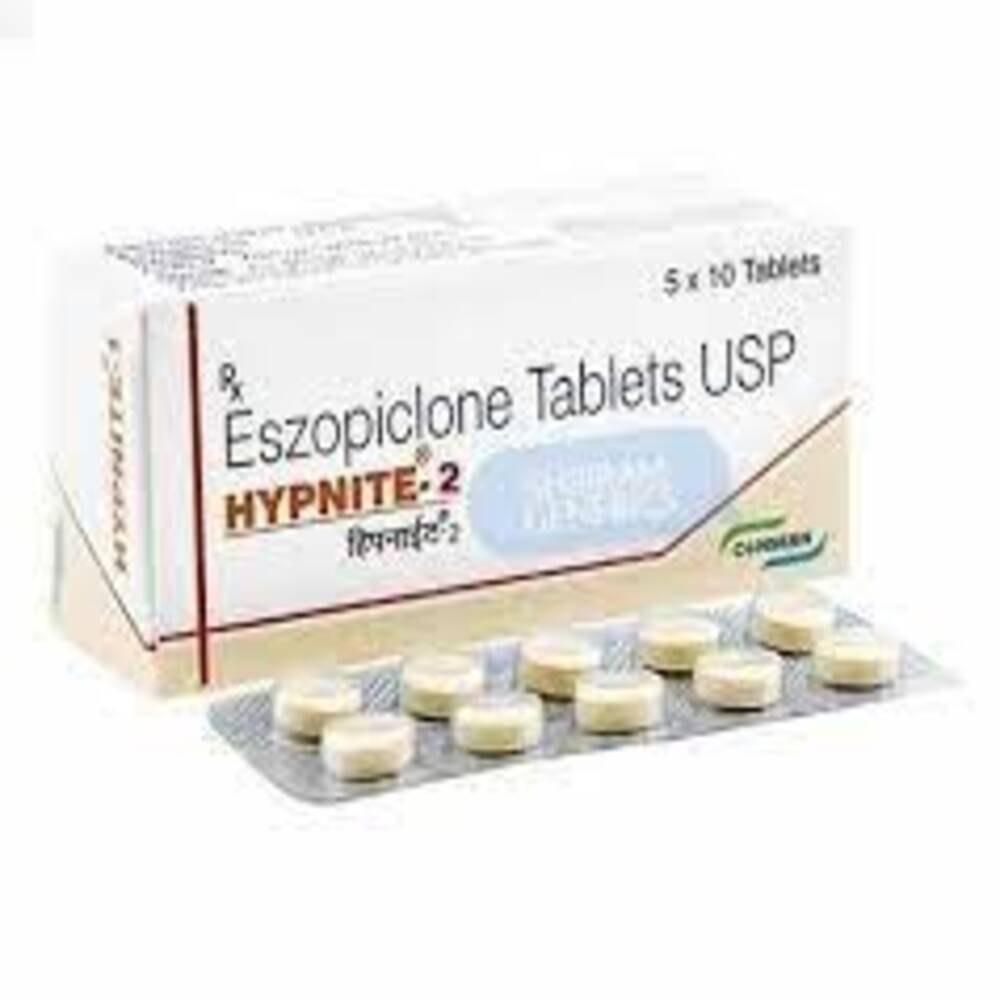
Eszopiclone 2 mg: Uses, Side Effects and Safety Information
Good sleep supports concentration, mood, memory and everyday wellbeing. When sleep becomes difficult, even ordinary responsibilities can feel more demanding. Insomnia may involve taking a long time to fall asleep, waking repeatedly during the night or waking too early without feeling rested. Understanding the possible causes and available treatments can help people make informed decisions about their sleep health.
Eszopiclone is a prescription sleep medicine used to treat insomnia in countries where it is authorised. The 2 mg strength is listed in US prescribing information, and UK records include authorisations for Lunivia tablets in several strengths. However, the regulatory status and availability of an exact product should always be checked rather than assumed from its name or strength alone.
What Is Eszopiclone 2 mg?
Eszopiclone is a sedative-hypnotic medicine used for insomnia where an appropriate product is authorised. It affects signalling in the central nervous system, including pathways involving gamma-aminobutyric acid (GABA). These actions can help promote sleep, but they may also reduce alertness and affect coordination.
The 2 mg designation refers to the amount of active ingredient in a tablet. It does not establish that the medicine is suitable for every person or that a particular dose should be used without professional advice. Age, other medicines, liver function, breathing conditions and individual sensitivity can influence treatment decisions.
- Eszopiclone is a prescription medicine, not an ordinary sleep supplement.
- Different countries may have different product authorisations and prescribing guidance.
- The correct instructions depend on the specific product and the person’s circumstances.
- Alcohol and certain medicines can increase its sedating effects.
What Is Eszopiclone Used For?
Eszopiclone is used to treat insomnia in jurisdictions where the relevant medicine is authorised. Insomnia can affect sleep onset, the ability to remain asleep or both. The symptoms may occur occasionally or continue long enough to interfere with work, education, relationships and daily activities.
Difficulty falling asleep
Some people lie awake for a long time despite feeling tired. Stress, irregular working hours, caffeine, changes in routine and environmental disturbances can contribute to this problem. A healthcare professional can help identify possible causes and assess which treatment options are appropriate.
Interrupted sleep
Repeated waking can have several causes, including pain, anxiety, breathing problems during sleep, alcohol use and certain medicines. When sleep is regularly disrupted, addressing the underlying reason may be an important part of treatment.
Sleep difficulties affecting daytime life
Persistent insomnia may contribute to tiredness, poor concentration, irritability and reduced productivity. Treatment may involve reviewing sleep habits, managing contributing health conditions, cognitive behavioural therapy for insomnia (CBT-I), or medication when clinically appropriate.
How Does Eszopiclone Work?
Eszopiclone acts on the central nervous system through GABA-related signalling. This can produce a calming, sleep-promoting effect. However, the same general action can also lead to unwanted sedation, slower reactions, dizziness and reduced coordination.
Its effects can vary between individuals. Other medicines, alcohol, underlying health conditions and the amount of time available for sleep can influence the risk of impairment. A person may not always recognise that their reaction time or judgement is affected, so following the official product instructions is essential.
Understanding the 2 mg Strength
The 2 mg tablet is listed in US prescribing information for eszopiclone. That information also includes 1 mg and 3 mg tablets. The presence of a 2 mg strength in one country’s prescribing information does not mean that every product with that strength is authorised, available or recommended in another country.
UK government records include marketing authorisations for Lunivia 1 mg, 2 mg and 3 mg tablets. Actual supply and local prescribing arrangements may vary. Before publishing product-specific availability claims, check the precise medicine, manufacturer, formulation and current regulatory information.
Do not change a prescribed dose, take extra tablets or use a product obtained from an uncertain source without professional guidance. A qualified prescriber or pharmacist can confirm the product information and explain the relevant precautions.
Possible Side Effects of Eszopiclone
Eszopiclone can cause side effects, although not everyone experiences them. The risks depend on individual factors and the specific product. Always consult the patient information leaflet supplied with the medicine.
Unpleasant or bitter taste
An unusual or bitter taste is a recognised side effect. If it is persistent or particularly troublesome, ask a pharmacist or prescriber for advice rather than changing the treatment independently.
Drowsiness and reduced alertness
Sleepiness may continue into the following day. Reaction time, judgement and coordination can be affected, even if the person feels reasonably awake. Avoid driving or operating machinery when impaired and follow the medicine’s official warnings.
Dizziness and headaches
Some people experience dizziness or headaches. Dizziness may increase the chance of falls, particularly in older adults. Seek medical advice if symptoms are severe, persistent or accompanied by other concerning changes.
Dry mouth
A dry or uncomfortable mouth may occur. If it becomes difficult to manage, a pharmacist can discuss practical measures and whether any other medicines could be contributing.
Memory or concentration difficulties
Sedative medicines can affect memory, attention and coordination. The risk may increase when combined with alcohol or other medicines that cause drowsiness. Avoid activities requiring full alertness if you feel affected.
Complex sleep behaviours
Rare but serious behaviours may occur while a person is not fully awake. These can include sleepwalking, preparing food, making phone calls or driving. The person may not remember the event afterwards, and serious injuries can occur.
If an unusual complex sleep behaviour occurs after taking eszopiclone, do not take another dose before obtaining urgent medical advice.
Serious allergic reactions
Seek emergency medical help if you experience difficulty breathing, collapse or swelling of the face, lips, tongue or throat. Severe confusion or other sudden, serious behavioural changes also require prompt assessment.
Safety Precautions and Medicine Interactions
Alcohol
Alcohol can intensify the sedating effects of eszopiclone and increase the risk of impaired judgement, coordination and alertness. Do not combine the medicine with alcohol. If you have already taken both and develop severe drowsiness, confusion or breathing difficulties, seek urgent medical assistance.
Other sedating medicines
Opioids, benzodiazepines, other sleeping tablets and some medicines used for anxiety, allergies or pain can increase sedation when taken with eszopiclone. Some medicines may also change how the body processes it. Tell your prescriber and pharmacist about all medicines and supplements you use.
Driving the following day
Eszopiclone may impair driving and other activities requiring concentration, including the following morning. Feeling awake does not necessarily mean that coordination and reaction time have returned to normal. Follow the instructions for the prescribed product and do not drive if you feel impaired.
Dependence and withdrawal
Sleep medicines can carry risks of misuse, dependence or withdrawal. Never take more than prescribed, repeat a dose because sleep has not come quickly or use another person’s prescription. If you have been using a sleep medicine regularly and wish to stop, ask a healthcare professional for appropriate advice.
Existing health conditions
A prescriber may need to consider breathing disorders, liver disease, previous unusual sleep behaviours, a history of substance-use problems and the risk of falls. Pregnancy, breastfeeding and older age may also affect treatment decisions. Make sure your healthcare professional has an accurate account of your medical history.
Who Should Seek Advice Before Treatment?
Speak with a qualified healthcare professional before using a sleep medicine if you:
- Have sleep apnoea or another condition affecting breathing.
- Take opioid medicines or other treatments that cause drowsiness.
- Have liver problems or a history of falls or severe confusion.
- Have experienced unusual sleep behaviours after taking a sleeping medicine.
- Are pregnant, planning a pregnancy or breastfeeding.
- Experience persistent insomnia, worsening mood or unexplained daytime exhaustion.
Professional assessment can help determine whether insomnia is the main problem or a symptom of another condition. It can also help identify interactions and establish whether medication is an appropriate option.
Non-Medicine Ways to Support Better Sleep
Medication is only one possible part of insomnia care. Cognitive behavioural therapy for insomnia (CBT-I) is an established treatment that addresses habits and thought patterns that can maintain sleep difficulties. A healthcare professional can explain how to access suitable support.
- Maintain a consistent waking time: A regular daily schedule may help stabilise sleep routines.
- Review caffeine intake: Caffeine later in the day can make it harder for some people to fall asleep.
- Improve the sleeping environment: Reduce excess light, noise and heat where possible.
- Build a relaxing evening routine: Choose quiet activities and allow time to wind down.
- Avoid using alcohol as a sleep aid: Alcohol can disrupt sleep and interact dangerously with sedating medicines.
- Seek help for persistent symptoms: Long-lasting sleep problems may require a structured treatment plan.
Frequently Asked Questions
What is eszopiclone 2 mg used for?
Eszopiclone is used to treat insomnia in countries where the relevant product is authorised. Its suitability depends on the person’s symptoms, medical history and the instructions for the specific medicine.
Is eszopiclone 2 mg listed in prescribing information?
Yes. The 2 mg strength is included in US prescribing information. UK records also include an authorisation for Lunivia 2 mg tablets. The exact product’s current availability and prescribing arrangements should be confirmed with a pharmacist or appropriate regulatory source.
Can eszopiclone cause next-day drowsiness?
Yes. It may affect alertness, coordination and reaction time the following day. Alcohol, other sedating medicines and insufficient time for sleep can increase the risk.
Can eszopiclone be taken with alcohol?
Combining eszopiclone with alcohol is unsafe because the sedating effects can increase. Follow the product’s safety information and ask a pharmacist or prescriber about possible interactions.
What should I do if insomnia continues?
Seek advice if sleep difficulties persist or interfere with daily life. A healthcare professional can investigate possible causes and discuss approaches such as CBT-I or other suitable treatments.
Can I change the dose on my own?
No. Do not increase, reduce or repeat doses without professional guidance. Instructions depend on the exact product and your individual circumstances.
Reliable Sources and Further Reading
- DailyMed — US medicine labels and prescribing information.
- Medicines and Healthcare products Regulatory Agency (MHRA) — UK medicine safety and regulatory information.
- NHS: Insomnia — information about sleep difficulties and support.
Final Thoughts
Eszopiclone 2 mg is a recognised strength in prescribing information, but the exact product and its local authorisation should always be checked. The medicine can cause next-day impairment, unusual sleep behaviours and interactions with alcohol or other sedating medicines. Treatment decisions should be based on the authorised product information and guidance from a qualified healthcare professional.
This content is for educational purposes only. It does not diagnose insomnia, prescribe an individual dose or replace professional medical advice.
Reviews
There are no reviews yet.