

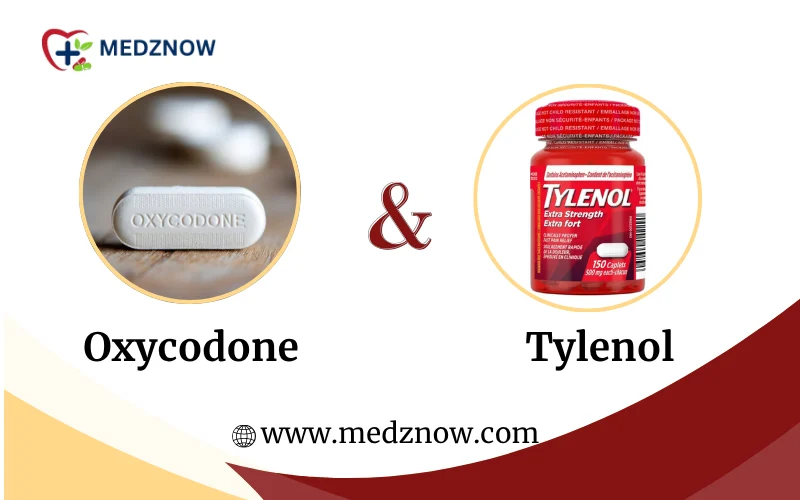
Pain Management is the most important part of modern medicine, but pain management becomes critical when two drugs are prescribed together, like Oxycodone and Tylenol. Both drugs are effective in their ways, and their combination is often a prescription drug (Percocet). This combination needs careful attention, whether taking its combination drug or taking them separately. In this blog, we explore how they work together, can you take Oxycodone and Tylenol at the same time, does Oxycodone contain Tylenol, and how to use them safely.
What Is Oxycodone and Tylenol?
Oxycodone is a prescription opioid pain reliever that works by binding to opioid receptors in the brain and spinal cord that block pain signals. It’s more effective for moderate to severe pain, but it also carries the risk of dependence, tolerance, and addiction. The drug is available in immediate-release and extended-release forms. It is taken exactly as prescribed and only under the supervision of a healthcare provider.
Tylenol (Acetaminophen) is an over-the-counter medication that is used for mild to moderate pain and to reduce fever. It is non-narcotic and acts by blocking pain signals in the brain and is also used to treat headaches, muscle aches, arthritis, and colds, but it also comes form some risk of side effects and dependence. It’s important to ensure about dosage before taking Tylenol.
Why Combine Them?
Oxycodone has various brand names like Percocet, OxyContin, Percodan, Roxicodone, and Tylox. Among Percocet products containing Oxycodone and Tylenol (Acetaminophen) that provide synergistic pain relief. Whereas Oxycodone offers more intense, nerve-related pain, while Acetaminophen increases pain control and reduces required opioid dose, as a result, reduced potential risk. This combination is used to treat post-surgical pain, injury-related pain, and chronic conditions (back pain or arthritis).
Can You Take Oxycodone And Tylenol Together?
Yes, you can take Oxycodone and Tylenol together. They combined in a single prescription medication(Percocet). However, these combination drugs need extra attention to avoid side effects (liver damage and opioid-related risks). Most healthcare providers prescribe them together for their different ways to relieve pain and reduce opioid use. But if you’re already taking acetaminophen, consuming alcohol heavily, or have liver disease, that might be dangerous for your health.
Risks and Side Effects
Oxycodone is an opioid drug, while Tyleon is a non-opioid drug; they work differently and have different side effects, dependence, and abuse. When you are using the drugs together, that might be less potent but come some unwanted side effects, thus it’s important to understand their risks and side effects.
Oxycodone Side Effects
Oxycodone has some common side effects, including drowsiness, dizziness, constipation, nausea, dry mouth, headache, itching, and sweating. There is no need for medical attention. But suppose you are experiencing slow or shallow breathing, severe drowsiness or trouble staying awake, confusion or hallucinations, seizures, chest pain or irregular heartbeat, severe allergic reaction (rash, itching, swelling, trouble breathing), or low blood pressure. In that case, these symptoms are serious side effects and need emergency medical attention.
Tylenol Side Effects
Every medication comes with some side effects Similarly, Tylenol has common side effects such as nausea, headache, rash, loss of appetite, and mild stomach upset. There is no need for medical attention, but it has some serious side effects, such as yellowing of skin or eyes, dark urine, upper abdominal pain, extreme fatigue, nausea/vomitin,g and severe allergic reactions (Swelling of face, lips, tongue, difficulty breathing, and Hives or severe rash). Never ignore those symptoms that need emergency medical attention at the time.
Side Effects Of Oxycodone And Tylenol Together
Combining Oxycodone with acetaminophen (Tylenol) can be effective for pain management, but it also comes with potential risks like liver damage, addiction, physical dependence, misuse or abuse, respiratory depression, sedation, and impaired function. These medications are combined in a prescription drug, but when taken separately, they should be used carefully.
Safe Use Guidelines
Oxycodone and Tylenol are different types of pain relief medication. They have different uses, mechanisms of action, effectiveness, and side effects. Thus, during taking them, follow some safety guidelines that ensure your safe and effective pain management.
- Follow the exact dosage prescribed by the doctor and avoid self-medication.
- Do not drive or operate heavy machinery after taking the drugs.
- Store in a safe and secure place away from children or anyone at risk of misuse.
- Dispose of outdated medication properly.
- Don’t exceed 4,000 mg/day of acetaminophen. Especially, if you are older, have liver issues, or drink alcohol regularly, then take acetaminophen under 3,000 mg/day.
Drug Interactions
Commonly, Oxycodone and Tylenol are prescribed together that effective pain reliever, but this interaction with some drugs and cause dangerous side effects. Before taking these combination drugs, ensure to drug interactions that help avoid various serious side effects and overdose. These drugs are
- Benzodiazepines (Xanax, Ativan, Valium)
- muscle relaxants (Soma, Lorzone, Robaxin)
- antidepressants
- Acetaminophen (cold medicines, sleep aids)
Alternatives to Oxycodone and Tylenol
If you are looking for an alternative to Oxycodone and Tylenol for pain management, but which medication is better for your needs depends on several factors like the type and severity of pain, health history, and other medications. There are some alternatives to Oxycodone and Tylenol, including
Non-Opioid drugs:
- NSAIDs(Ibuprofen (Advil), Naproxen (Aleve), Diclofenac) treat inflammatory pain (arthritis, sprains, post-op)
- COX-2 Inhibitors (Celecoxib)
- Lidocaine patches, Diclofenac gel (Voltaren), Capsaicin cream
- Antidepressants (Amitriptyline, Duloxetine (Cymbalta), Nortriptyline) for chronic nerve pain (e.g., fibromyalgia, diabetic neuropathy)
- Anticonvulsants (Gabapentin (Neurontin), Pregabalin (Lyrica)) for neuropathic pain
Lower-Risk Opioid Drugs
- Tramadol: It is a weaker opioid with some SNRI effects and less risk of side effects and dependence.
- Norco: It contains Hydrocodone and acetaminophen. Similar to Percocet (Oxycodone/Tylenol), but that is less potent.
Non-Drug Therapies
- Physical Therapy: This therapy is effective for musculoskeletal and chronic pain
- Cognitive Behavioral Therapy (CBT): reduces the perception of pain and improves coping
Frequently Asked Questions
Does Oxycodone contain Tylenol?
No, Oxycodone does not contain Tylenol; it is a powerful opioid reliever that, combined with Tylenol, is a prescription medication like Percocet. Similarly, Oxycodone combines with other substances and makes brand names like OxyContin, Roxicodone.
Can you take Tylenol with Percocet?
No, you can’t take Tylenol with Percocet because Percocet has Acetaminophen with Oxycodone. If you can take extra Tylenol that lead overdose of Acetaminophen, which damages the liver. It’s important to before taking extra Tylenol consult with the doctors. Make sure to always follow the prescribed dosage.
Can you take Tylenol and Oxycodone at the same time?
Yes, you can take Oxycodone and Tylenol at the same time; most doctors recommend this combination for pain relief. They work differently, like Oxycodone blocks the pain signal, and Tylenol reduces fever. But always use the prescribed dosage and avoid self-medication or combining drugs without professional guidance.
Final Word
Both Oxycodone and Tylenol are prescribed together as a single prescription drug that is effective for pain relief and reduces opioid risk, but it is less potent. But you can use both drugs individually; they need extra attention and care otherwise, which can lead to some dangerous and unwanted side effects. While taking the drug, ensure about the use guidelines of any drug interactions that make to better improve pain management.