
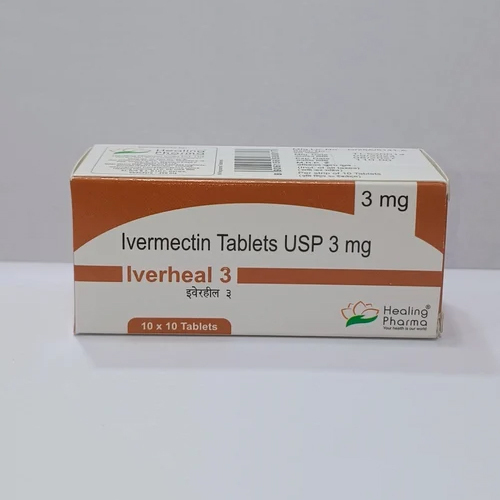
Ivermectin 3 mg: Product Information and Medication Guide
Ivermectin 3 mg is an oral prescription medication used for certain parasitic infections. Each tablet contains 3 milligrams of ivermectin, an antiparasitic medicine that works against susceptible parasites. The correct treatment depends on the infection being treated, the patient’s health, body weight, and the instructions provided by a qualified healthcare professional.
This page provides general information about ivermectin 3 mg tablets, including their recognized medical uses, precautions, potential side effects, and safe handling. Always check the product packaging and approved prescribing information to confirm the exact formulation, manufacturer, and directions for the product supplied.
What Is Ivermectin 3 mg?
Ivermectin belongs to a group of medicines called antiparasitic agents. In oral tablet form, it is prescribed for specific infections caused by parasites. The 3 mg strength refers to the amount of ivermectin in one tablet; it does not represent a complete dose for every patient or condition.
Healthcare professionals select a treatment plan according to the diagnosis and individual circumstances. Some infections may require follow-up examinations to determine whether treatment has worked, while others may need further medical assessment. Patients should not change the prescribed amount or repeat treatment without professional advice.
What Is Ivermectin Used For?
Oral ivermectin tablets are approved in the United States for certain parasitic infections, including intestinal strongyloidiasis and onchocerciasis. Other uses may be considered by a healthcare professional depending on the clinical circumstances and local guidance.
Intestinal Strongyloidiasis
Strongyloidiasis is an infection caused by the parasitic roundworm Strongyloides stercoralis. The parasite can enter the body through the skin and develop in the intestinal tract. A healthcare professional may prescribe ivermectin when this infection has been diagnosed or when treatment is otherwise clinically indicated.
Follow-up may be needed after treatment. A clinician can determine whether additional assessment or stool testing is appropriate based on the diagnosis and response to therapy.
Onchocerciasis
Onchocerciasis, also known as river blindness, is a parasitic infection caused by Onchocerca volvulus. Ivermectin is used as part of treatment for this condition. It affects the developing forms of the parasite but does not kill the adult worms, so medical follow-up may be important.
People who have lived in or travelled to regions where certain other parasitic infections occur should tell their healthcare professional before treatment. This information can affect the safety assessment and monitoring plan.
Other Conditions
A clinician may sometimes consider ivermectin for other parasitic conditions. Whether it is appropriate depends on the specific diagnosis, the formulation available, and applicable medical guidance. Do not assume that an oral tablet is suitable for every condition for which ivermectin may be used in another formulation.
Ivermectin is not approved by the U.S. Food and Drug Administration to prevent or treat COVID-19. It should not be used for an unapproved purpose without appropriate medical guidance.
How Does Ivermectin Work?
Ivermectin interferes with nerve and muscle functions in susceptible parasites. Its activity affects certain channels involved in the movement of ions across parasite cell membranes, which can lead to paralysis and death of susceptible parasites or prevent them from functioning normally.
The precise effect depends on the parasite and the condition being treated. Ivermectin is not a general-purpose treatment for all infections, and it does not replace diagnosis or other care that may be necessary. A healthcare professional can explain how the medicine fits into the treatment plan for a particular condition.
Understanding the 3 mg Tablet Strength
The strength printed on a medicine package describes the amount of active ingredient contained in each tablet. For ivermectin 3 mg, each tablet contains 3 mg of ivermectin. The number of tablets prescribed may vary according to the condition, body weight, and prescribing instructions.
Do not calculate your own dose by copying instructions from another person’s prescription or an online discussion. A 3 mg tablet strength alone does not tell you how many tablets to take, when to take them, or whether another dose will be needed. Use the directions provided for your prescription and ask a pharmacist if anything is unclear.
How to Take Ivermectin Safely
Take ivermectin only when it has been prescribed or specifically recommended by an appropriate healthcare professional. Read the patient information and follow the instructions on the dispensing label. Some oral ivermectin prescribing information directs patients to take the tablets on an empty stomach with water; follow the instructions supplied for your specific prescription.
- Check the medicine name, strength, and directions before taking a dose.
- Take only the amount prescribed for your diagnosed condition.
- Do not take extra tablets or repeat a course because symptoms continue without consulting your clinician.
- Tell your healthcare professional about prescription medicines, over-the-counter products, vitamins, and supplements you use.
- Attend any recommended follow-up visits or laboratory tests.
- Keep the medication in its original packaging and out of children’s reach.
If you are uncertain whether you have taken the correct amount, contact a pharmacist, prescriber, or poison-control service for advice. Do not take an additional dose to compensate for uncertainty.
Possible Side Effects of Ivermectin 3 mg
Like other medicines, ivermectin can cause side effects. The type and likelihood of a reaction may depend on the condition being treated, the patient’s health, and the body’s response to the medicine. Not everyone experiences side effects.
Reported Side Effects
Reported effects with oral ivermectin can include:
- Dizziness or lightheadedness
- Nausea or vomiting
- Diarrhea or abdominal discomfort
- Reduced appetite
- Weakness or fatigue
- Constipation or bloating
These symptoms can have different causes and may not always be due to the medication. Contact a healthcare professional if a symptom is persistent, becomes severe, or causes concern.
Serious Reactions
Seek urgent medical attention for signs of a serious allergic reaction, such as difficulty breathing, swelling of the face or throat, or a severe widespread rash. Blistering or peeling skin, marked confusion, seizures, difficulty walking, or reduced consciousness also require urgent assessment.
In some patients, reactions may relate to the body’s response to dying parasites rather than to the medicine alone. A clinician can assess symptoms in the context of the infection and treatment history. Do not attempt to manage severe reactions by taking another dose or changing the regimen yourself.
Warnings and Precautions
Before starting ivermectin, provide your healthcare professional with an accurate medical history. This helps determine whether treatment is appropriate and whether additional monitoring may be needed.
Allergies
Tell your prescriber if you have had an allergic reaction to ivermectin or any ingredient in the product. Check the packaging or ask a pharmacist for the inactive ingredients if you have a known medication sensitivity.
Pregnancy and Breastfeeding
If you are pregnant, planning to become pregnant, or breastfeeding, discuss the potential benefits and risks with your healthcare professional before using ivermectin. Do not make assumptions about safety based only on another person’s experience.
Medical Conditions and Travel History
Tell your clinician about significant medical conditions, immune-system concerns, and relevant travel or residence history. People who may have been exposed to Loa loa in parts of West or Central Africa need special evaluation before ivermectin treatment because serious neurological reactions have been reported in people with high levels of this parasite.
Driving and Activities Requiring Alertness
Ivermectin may cause dizziness or other effects that interfere with alertness in some people. Understand how the medicine affects you before driving, operating machinery, or performing tasks that require full concentration. Follow any specific advice provided by your clinician.
Drug Interactions
Tell your doctor and pharmacist about all medicines and supplements you take, including medicines you use only occasionally. Interactions can affect how a medicine works or increase the chance of unwanted effects.
Warfarin and other medicines that require careful monitoring should be discussed with your healthcare professional. Rare reports of increased international normalized ratio (INR) have occurred with concurrent warfarin and ivermectin use. Your prescriber can decide whether monitoring or another precaution is necessary.
Do not start, stop, or adjust another medication solely because you are taking ivermectin. A pharmacist can review your medication list and identify any interaction concerns specific to your circumstances.
Missed Dose and Possible Overdose
If You Miss a Dose
Ivermectin may be prescribed as a single dose for some conditions, but instructions vary according to the diagnosis and treatment plan. If you miss a prescribed dose or are unsure whether you took it, contact your prescriber or pharmacist for guidance. Do not double the next dose unless a healthcare professional specifically instructs you to do so.
If Too Much Has Been Taken
Taking more ivermectin than prescribed can be dangerous. Possible overdose symptoms include nausea, vomiting, abdominal pain, dizziness, weakness, rash, impaired coordination, confusion, or other serious effects.
If an overdose is suspected, contact your local poison-control service or seek urgent medical advice. In the United States, Poison Control can be reached at 1-800-222-1222. Call emergency services immediately if the person has difficulty breathing, a seizure, collapses, or cannot be awakened.
Storage and Handling
Store ivermectin according to the instructions on the manufacturer’s packaging and the pharmacy label. Keep the tablets in their original container, protect them from moisture when instructed, and store them away from excessive heat. Storage requirements can differ between products, so the product label should take priority over general advice.
- Keep medication out of the sight and reach of children and pets.
- Do not use tablets if the packaging is damaged or the product appears altered.
- Do not use medication beyond its labelled expiration date.
- Ask a pharmacist about safe disposal of unused or expired tablets.
Choosing and Checking an Ivermectin Product
When reviewing a medicine listing, confirm that the product name, active ingredient, strength, formulation, manufacturer, and packaging details match the prescription or clinical instructions. A product page should not imply that every ivermectin product is interchangeable with another.
Use a legitimate pharmacy and follow applicable prescription requirements. Do not purchase veterinary ivermectin for human use. Animal products can have different concentrations, ingredients, and formulations, and the U.S. FDA warns that animal ivermectin products should not be used by people.
Accurate product information should identify the source of the medication, explain prescription requirements, and provide access to reliable patient information. If any package detail differs from the prescription, ask the pharmacist to confirm the product before using it.
Frequently Asked Questions About Ivermectin 3 mg
What does ivermectin 3 mg mean?
It means that each tablet contains 3 milligrams of ivermectin. The prescribed number of tablets depends on the diagnosis and the healthcare professional’s instructions.
What infections can oral ivermectin treat?
In the United States, oral ivermectin tablets are approved for certain parasitic infections, including intestinal strongyloidiasis and onchocerciasis. A healthcare professional determines whether it is appropriate for a specific condition.
Can I take ivermectin without a prescription?
Do not self-treat with ivermectin. Use a human medication only under appropriate medical direction and obtain it through a legitimate pharmacy or authorized source.
Can ivermectin be used to treat COVID-19?
The U.S. FDA has not approved or authorized ivermectin to prevent or treat COVID-19. Do not use it for that purpose unless official medical guidance changes and a qualified healthcare professional advises you accordingly.
Can I take extra tablets if my symptoms continue?
No. Persistent symptoms do not necessarily mean that more medication is needed. Contact your healthcare professional for assessment and follow-up rather than increasing or repeating the dose yourself.
What should I discuss with my pharmacist?
Ask about the prescribed directions, whether the medicine should be taken with food or on an empty stomach, possible interactions, expected side effects, storage, and whether follow-up testing is needed for your condition.
Important Safety Information
This page is intended for general educational purposes and does not replace a diagnosis, prescription, or individualized medical advice. Ivermectin should be used only for an appropriate medical indication and according to the instructions supplied by a qualified healthcare professional. Read the official prescribing information and ask your pharmacist or prescriber if you have questions.


Reviews
There are no reviews yet.