
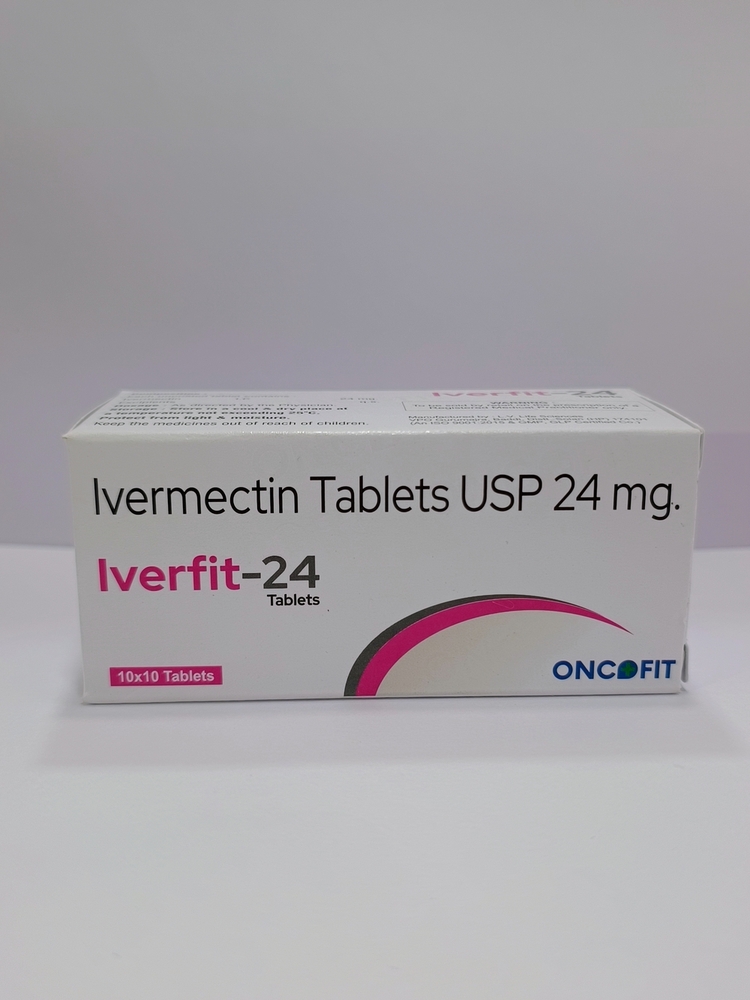
Ivermectin 24 mg: Product Information and Safety Guide
Ivermectin is an antiparasitic medicine used to treat certain infections caused by parasites. Its appropriate use depends on the type of infection, the formulation prescribed, the patient’s health history, and the instructions provided by a qualified healthcare professional. Anyone researching ivermectin 24 mg should understand the medicine’s intended uses, important precautions, and the need to verify the exact strength and dosage form before use.
This product information explains how ivermectin is used in human medicine, what patients should discuss with a healthcare professional, and which safety considerations matter before treatment. The stated strength of 24 mg must be checked against the actual product packaging and prescription. It should not be assumed to represent a standard single-tablet strength or a suitable dose for every patient.
Ivermectin tablets are prescription medicines in the United States. They should be used only for an appropriate medical indication and according to the directions of a licensed healthcare professional. This page is intended to support informed discussions with a prescriber or pharmacist; it does not replace a medical consultation or the official labeling supplied with a specific product.
What Is Ivermectin?
Ivermectin belongs to a group of medicines known as antiparasitic agents. Certain human formulations are used to treat infections caused by susceptible parasites. The medicine interferes with processes that parasites need to survive, helping control or eliminate susceptible organisms depending on the infection being treated.
Not all products containing ivermectin are interchangeable. Human oral tablets, topical medicines, and veterinary preparations can differ in concentration, formulation, intended species, and directions for use. A product intended for animals must never be substituted for a human prescription. Veterinary products may contain concentrations or ingredients that have not been evaluated for safe use in people.
When reviewing ivermectin 24 mg, check whether the stated amount refers to the strength of one tablet, the total amount in a package, or another product-specific measurement. Verify the manufacturer, active ingredient, dosage form, package information, and dispensing instructions with a pharmacist. A product title alone is not sufficient to establish these details.
What Is Ivermectin Used For?
Oral ivermectin has established uses for certain parasitic infections. In the United States, approved oral tablet indications include intestinal strongyloidiasis and onchocerciasis. The precise treatment plan depends on the diagnosed infection and the patient’s individual circumstances.
Strongyloidiasis
Strongyloidiasis is an infection caused by the parasitic roundworm Strongyloides stercoralis. Infection can occur when larvae in contaminated soil penetrate the skin. The parasite can then develop within the body and affect the intestinal tract. Some people experience digestive discomfort, skin symptoms, or respiratory complaints, while others may have few noticeable symptoms.
Ivermectin is used to treat strongyloidiasis when clinically appropriate. A healthcare professional may consider the patient’s symptoms, exposure history, immune status, diagnostic findings, and other medicines when selecting treatment. Follow-up testing may be needed to determine whether the infection has cleared. Patients should not assume that feeling better alone proves the infection has been eliminated.
Onchocerciasis
Onchocerciasis, sometimes called river blindness, is a parasitic infection caused by Onchocerca volvulus. It is transmitted through the bites of infected blackflies in affected regions. The disease may cause skin changes, itching, lumps under the skin, and eye complications that can threaten vision.
Ivermectin is used in the management of onchocerciasis. Its effects on the parasite and the need for additional treatment depend on the clinical circumstances. It does not kill all adult worms responsible for the disease, so medical follow-up and repeat treatment may be necessary under an appropriate care plan.
Other conditions requiring medical assessment
Some other parasitic conditions may be managed with ivermectin in specific circumstances. Certain uses depend on the formulation, local treatment guidance, and whether the use is approved or considered off-label by a qualified prescriber. Topical ivermectin products also have separate uses and must not be confused with oral tablets.
Ivermectin is not a general-purpose medicine for every infection, skin complaint, or unexplained symptom. It is not approved by the U.S. Food and Drug Administration to prevent or treat COVID-19. Patients should not use it for an unconfirmed condition or a purpose promoted by unverified online claims.
Understanding the 24 mg Strength
Medicine strength describes the amount of active ingredient in a particular dosage unit or product, depending on how the package is labeled. It does not independently determine how much a person should take. A prescribed amount may be based on body weight, the type of parasite, the treatment protocol, and other patient-specific factors.
The term “ivermectin 24 mg” should therefore be interpreted only after checking the original packaging and official product information. Confirm whether 24 mg describes a single tablet or a total quantity. Do not assume that a 24 mg product is equivalent to several lower-strength tablets in terms of quality, formulation, approval status, or suitability for an individual patient.
U.S. prescribing information for commonly labeled oral ivermectin tablets describes treatment regimens that are calculated according to body weight and the condition being treated. These regimens should not be converted into a personal dosing plan based on a product title. The appropriate amount must be determined by the prescriber using the correct product information.
If the strength shown on the product listing differs from the prescription or package, stop and ask the dispensing pharmacist to clarify it before taking the medicine. Never compensate for uncertainty by taking extra tablets, splitting tablets without confirmation that this is appropriate, or combining products of different strengths.
How Ivermectin Works in the Body
Ivermectin acts on specific channels in the nervous system and muscle cells of susceptible invertebrate parasites. These effects disrupt normal nerve signaling and can lead to paralysis and death of susceptible parasites. Its activity depends on the organism involved and the way the medicine is used.
The drug’s mechanism does not mean it treats every parasite or every disease caused by a microorganism. Different infections require different medicines, and some conditions need additional measures to prevent reinfection or manage complications. A healthcare professional can determine whether ivermectin is suitable based on the suspected or confirmed cause of an illness.
Correct diagnosis and use are essential. Taking an antiparasitic medicine without confirming that it is appropriate may delay effective treatment, expose the patient to unnecessary adverse effects, and complicate the assessment of ongoing symptoms.
How to Take Ivermectin Safely
Take oral ivermectin exactly as prescribed and follow the instructions on the dispensing label. The timing, amount, and need for additional doses depend on the condition being treated and the specific prescription. Do not follow a dosing schedule copied from another patient, an online discussion, or a product listing that has not been verified.
- Confirm the active ingredient and strength with the pharmacy label before taking the medicine.
- Follow the prescribed timing and any food-related instructions supplied by your prescriber.
- Tell your healthcare professional about allergies, medical conditions, pregnancy, breastfeeding, and all medicines or supplements you use.
- Do not take extra doses because symptoms continue or improve more slowly than expected.
- Ask a pharmacist what to do if you miss a dose, vomit after taking it, or are unsure whether you took the medicine correctly.
- Attend recommended follow-up appointments and laboratory tests when these are part of your treatment plan.
Some approved oral ivermectin regimens use a single dose, while the broader treatment plan and follow-up depend on the infection. A single-dose instruction for one condition should not be applied automatically to another. Additional doses should be taken only when specifically directed by the treating professional.
Possible Side Effects of Ivermectin
Like other medicines, ivermectin can cause side effects. The effects a person experiences may vary with the infection being treated, the amount taken, individual sensitivity, and other health factors. Some symptoms may also be related to the body’s response to the treated infection.
Reported side effects can include:
- Dizziness or lightheadedness
- Nausea or vomiting
- Diarrhea or abdominal discomfort
- Reduced appetite
- Weakness or tiredness
- Skin itching or rash
Not everyone experiences these effects, and this list is not exhaustive. Read the official product information and ask a pharmacist about symptoms that occur after treatment. Do not assume that every new symptom is harmless or that taking more medicine will resolve it.
Symptoms that need urgent attention
Seek urgent medical care for signs of a severe allergic reaction, such as difficulty breathing, significant swelling of the face or throat, or widespread hives accompanied by other concerning symptoms. Severe confusion, seizures, loss of consciousness, serious problems with coordination, or marked changes in alertness also require emergency assessment.
If an excessive amount has been taken, contact a poison control service or emergency medical service promptly. In the United States, Poison Control can be reached at 1-800-222-1222. Call 911 for a life-threatening emergency. Do not wait for symptoms to appear before seeking advice about a suspected overdose.
Important Precautions Before Treatment
Allergies and medical history
Tell your prescriber if you have previously experienced an allergic reaction to ivermectin or any ingredient in the product. Provide a complete medical history, including immune-system conditions, liver-related concerns, previous parasitic infections, and any other conditions that could affect treatment decisions.
Pregnancy and breastfeeding
If you are pregnant, planning a pregnancy, or breastfeeding, consult a healthcare professional before using ivermectin. The decision requires an assessment of the potential benefits and risks for the individual and the condition being treated. Do not start or stop a prescribed medicine during pregnancy or breastfeeding without appropriate medical advice.
Children and body weight
Ivermectin treatment in children requires particular attention to the prescribed formulation, age, body weight, and indication. Do not use a 24 mg product for a child unless a qualified healthcare professional has explicitly confirmed that the exact product and prescribed regimen are appropriate.
Travel and possible co-infections
Tell your healthcare professional if you live in or have traveled to regions where other parasitic infections occur. In particular, possible Loa loa infection associated with parts of West and Central Africa can affect ivermectin treatment decisions. A history of relevant travel or exposure should be discussed before treatment.
Driving and activities
Dizziness, lightheadedness, or other unexpected effects may make driving or operating machinery unsafe. Understand how the medicine affects you before undertaking activities that require alertness and coordination. Follow any additional restrictions given by your healthcare professional.
Ivermectin Interactions With Other Medicines
Before treatment, provide your prescriber and pharmacist with a complete list of prescription medicines, over-the-counter products, vitamins, herbal remedies, and supplements. Some medicines may affect the risk of side effects or require additional monitoring. Do not assume that a product is safe to combine with ivermectin simply because it is available without a prescription.
Anticoagulants and other medicines that affect bleeding or medication metabolism may warrant particular review. The clinical importance of an interaction depends on the exact medicines and the patient’s circumstances. Your healthcare professional can determine whether monitoring, a change in treatment, or another precaution is needed.
Do not stop an existing prescription, alter its dose, or add another antiparasitic medicine without professional guidance. If you are unsure whether two treatments can be used together, ask the dispensing pharmacist before taking them.
What to Know About Overdose and Excessive Dosing
Taking more ivermectin than prescribed can cause serious harm. Possible overdose effects include severe nausea, vomiting, diarrhea, dizziness, low blood pressure, problems with balance or coordination, altered consciousness, seizures, and other serious reactions.
A higher number printed on a package does not mean the medicine will work better, act faster, or be appropriate for more conditions. Do not increase the amount, shorten the interval between doses, or repeat treatment on your own. If you think your prescription or package strength is incorrect, verify it with the pharmacy before use.
For a suspected overdose, seek immediate professional guidance. Keep the packaging available so medical personnel can identify the active ingredient, stated strength, formulation, and amount potentially taken.
Storage and Handling
Store ivermectin according to the instructions on the manufacturer’s package and the pharmacy label. Keep it in its original container when possible, protected from unsuitable temperature conditions and moisture, and away from children and pets. Do not use a product with damaged packaging or uncertain labeling without checking with the pharmacist.
Keep medicines in a secure location and do not share a prescription with another person, even if their symptoms seem similar. Dispose of expired or unwanted medication through an appropriate medicine take-back service or according to local pharmacy guidance. Avoid leaving tablets where children or other household members could mistake them for ordinary products.
Why Medical Follow-Up Matters
Successful treatment involves more than taking a medicine. Depending on the infection, a clinician may recommend laboratory testing, a review of symptoms, assessment of possible complications, or further treatment. Some parasitic infections require follow-up to confirm that the organism has been eliminated or that the disease is adequately controlled.
Contact your healthcare professional if symptoms persist, return, or worsen after treatment. Do not repeat ivermectin automatically. Continued symptoms may indicate that further evaluation, a different treatment, or investigation of another cause is needed.
Follow-up is also an opportunity to review side effects, clarify the prescribed schedule, and discuss any new medicines or health changes that could affect treatment. Keeping a record of the medicine taken and the date of treatment can help support an accurate clinical review.
How to Check an Ivermectin Product Before Use
When reviewing a listing for ivermectin 24 mg, verify the product details rather than relying only on its name or search result. A responsible product page should make it possible to identify the medicine and understand what is being supplied.
- Active ingredient: Confirm that ivermectin is the stated active ingredient.
- Strength and dosage form: Establish whether the amount refers to one unit or the total package quantity, and whether the product is an oral tablet or another formulation.
- Manufacturer: Check the manufacturer’s name and the details shown on the original packaging.
- Prescription requirements: Confirm that the product is supplied under the applicable prescription and dispensing rules.
- Official information: Compare the product information with authoritative labeling and ask a pharmacist about any discrepancy.
- Packaging and expiry: Check that the packaging is intact and the product is within its expiry date.
If any information is missing or inconsistent, do not guess. Contact the pharmacy or responsible supplier for clarification before using the medicine.
Frequently Asked Questions About Ivermectin 24 mg
What is ivermectin 24 mg used for?
Ivermectin is an antiparasitic medicine used for certain parasitic infections. The appropriate indication depends on the specific product and the prescriber’s assessment. The phrase “24 mg” alone does not establish the intended use, approval status, or a suitable regimen. Confirm these details with a qualified healthcare professional.
Is ivermectin 24 mg a standard tablet strength?
Do not assume so. U.S. oral ivermectin labeling commonly describes 3 mg tablets, and other labeled strengths exist. The exact 24 mg product must be verified against its manufacturer information, packaging, and applicable regulatory status before the listing describes it as a single tablet or an approved product.
How should ivermectin be taken?
Follow the prescription label and official product instructions. The regimen depends on the condition being treated and individual factors such as body weight. Do not use a dose taken by another person or calculate a regimen from the product title alone.
Can ivermectin be used to prevent or treat COVID-19?
The U.S. FDA has not authorized or approved ivermectin to prevent or treat COVID-19. It should not be used for that purpose unless authoritative medical guidance and applicable regulatory approvals change. Consult a healthcare professional for evidence-based options for respiratory infections.
What side effects can ivermectin cause?
Possible effects include dizziness, nausea, vomiting, diarrhea, abdominal discomfort, weakness, and skin symptoms. Severe allergic reactions, seizures, or major changes in consciousness require urgent medical attention. Refer to the official label for a fuller list.
Can I take ivermectin with other medication?
Interactions may be possible. Give your prescriber or pharmacist a complete list of your medicines and supplements before starting treatment. They can review the combination and advise whether monitoring or other precautions are appropriate.
Can I use veterinary ivermectin instead?
No. Veterinary products are formulated and evaluated for particular animal uses and must not be substituted for human medicines. Use only a human medicine prescribed for you and obtained through a legitimate dispensing source.
What if I miss a dose?
Ask your prescriber or pharmacist for instructions specific to your prescription. Because treatment schedules vary, do not take an extra amount or repeat a dose without advice.
Does symptom improvement mean the infection is gone?
Not necessarily. Depending on the infection, follow-up testing or clinical assessment may be needed to confirm treatment success. Attend recommended follow-up appointments even if you feel better.
Where can I find reliable ivermectin information?
Use official medicine labeling and trusted health information from government or established medical sources. The resources linked below explain approved uses, dosing principles, precautions, and the difference between human and veterinary formulations.
Reliable Resources for Ivermectin Information
For additional information, consult these authoritative resources:
- MedlinePlus: Ivermectin Drug Information — patient guidance on uses, administration, precautions, and side effects.
- DailyMed: Official Drug Labeling — published prescribing information for specific medicines and formulations.
- U.S. FDA: Ivermectin and COVID-19 — information on unapproved uses, excessive dosing, and the risks of veterinary products.
Important Product and Medical Disclaimer
This information is provided for general educational purposes and is not a substitute for advice from a qualified healthcare professional. Product details, availability, approved indications, and prescription requirements vary by formulation and jurisdiction. The exact identity and regulatory status of any product listed as ivermectin 24 mg must be independently verified before publication or use.
Use ivermectin only as prescribed and according to the applicable official product information. Do not self-diagnose a parasitic infection, change your prescribed dose, use veterinary formulations, or use ivermectin for an unapproved purpose based on online claims. Consult your prescriber or pharmacist with questions about the product, its strength, potential interactions, or your treatment plan.


Reviews
There are no reviews yet.