
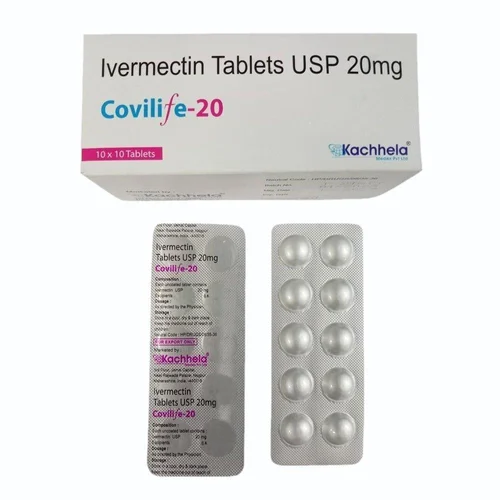
Ivermectin 20 mg: Product Overview and Essential Information
Ivermectin is an antiparasitic medicine used in human healthcare to treat certain infections caused by susceptible parasites. People researching ivermectin 20 mg should understand the medicine’s established uses, its safety profile, and the importance of confirming the exact formulation before treatment. The strength displayed in a product title does not, by itself, establish an approved dosage, an appropriate treatment plan, or the suitability of the medicine for a particular person.
This product information provides an overview of ivermectin, explains important considerations before use, and outlines questions patients may wish to discuss with a healthcare professional. It is intended to help readers understand the medicine rather than provide a personal treatment recommendation.
Product verification is essential: Before publishing or using a product listed as ivermectin 20 mg, confirm its active ingredient, dosage form, manufacturer, package labeling, and regulatory status. Do not describe it as an approved 20 mg tablet unless the exact product information supports that claim. Oral ivermectin is a prescription medicine in the United States and should be obtained through a legitimate dispensing source when prescribed.
What Is Ivermectin?
Ivermectin belongs to a class of medicines known as antiparasitic agents. It is used to treat certain infections caused by susceptible parasitic organisms. Its effects depend on the parasite involved, the formulation used, and the treatment regimen selected by a qualified healthcare professional.
Human ivermectin products are available in different formulations for specific medical purposes. Oral tablets have established uses for certain parasitic infections, while some topical formulations are approved for particular skin conditions or external parasites. These products are not automatically interchangeable because their concentrations, routes of administration, instructions, and approved indications can differ.
When reviewing ivermectin medication information, it is important to distinguish the amount of active ingredient in a product from the amount prescribed for an individual. A product listing may use a strength, quantity, or package description that needs clarification. Check the original packaging and official product information rather than relying solely on a search result or abbreviated product name.
Ivermectin should not be used as a general treatment for unexplained symptoms. A healthcare professional can determine whether an infection is likely to respond to the medicine and whether diagnostic testing or another treatment is necessary.
Understanding Ivermectin 20 mg
The phrase ivermectin 20 mg identifies a stated amount associated with a product, but the exact meaning must be established from its label. It may not be sufficient to determine whether the figure describes one dosage unit, a package quantity, or another product-specific measurement. The formulation and manufacturer information should be checked before making any product claims.
In the United States, commonly labeled oral ivermectin tablets contain 3 mg of active ingredient per tablet. Therefore, a listing described as ivermectin 20 mg should not automatically be presented as a standard single-tablet strength. Its identity and regulatory status need to be independently verified against reliable product documentation.
Strength alone also does not establish how much medicine a patient should take. The prescribed regimen can depend on the diagnosed infection, body weight, relevant medical history, and the official instructions for the specific formulation. A numerical comparison between products cannot replace a clinical assessment.
If the product packaging, prescription label, and online description do not agree, do not take the medicine until the discrepancy has been resolved by the dispensing pharmacist or prescriber. Never increase a dose, combine products, or substitute another formulation to make the stated amount match an online recommendation.
Medical Uses of Ivermectin
Oral ivermectin has established medical uses for specific parasitic infections. In the United States, its approved oral tablet indications include intestinal strongyloidiasis and onchocerciasis. Other uses may be considered by a clinician in particular circumstances, but the indication and evidence should be evaluated separately.
Intestinal strongyloidiasis
Strongyloidiasis is an infection caused by the roundworm Strongyloides stercoralis. The parasite can enter the body when larvae in contaminated soil penetrate the skin. Infection may persist for a long time because of the parasite’s life cycle, and some people have few symptoms even when infection is present.
When strongyloidiasis is diagnosed, ivermectin may be prescribed as part of the treatment plan. The healthcare professional considers the patient’s condition, relevant exposure history, diagnostic results, and other medical factors when selecting treatment.
Follow-up can be important, particularly when symptoms persist or the clinician needs to confirm that the infection has cleared. Patients should not assume that the absence of symptoms necessarily proves successful treatment.
Onchocerciasis
Onchocerciasis, also called river blindness, is caused by the parasitic worm Onchocerca volvulus and is transmitted by infected blackflies. The disease can lead to severe itching, skin changes, and eye complications. In some cases, eye involvement can threaten vision.
Ivermectin is used in the treatment of onchocerciasis because it acts against susceptible developing stages of the parasite. It does not eliminate all adult worms, so the condition may require continuing medical supervision and additional treatment according to the relevant clinical protocol.
Other parasitic conditions
Ivermectin may be considered for certain other parasitic conditions in specific circumstances. Some uses may be outside the approved labeling for a particular formulation. A clinician must determine whether the evidence, risks, and available alternatives support its use.
Different formulations of ivermectin also have separate indications. Information about topical products for particular skin conditions should not be treated as instructions for oral tablets. Similarly, information about veterinary formulations is not a basis for human treatment.
How Ivermectin Works
Ivermectin affects specific signaling channels in susceptible parasites. These effects interfere with normal nerve and muscle function, which can result in paralysis and death of the affected organisms. The precise clinical effect depends on the parasite and the type of infection being treated.
The medicine’s antiparasitic action does not mean it is effective against every organism that causes illness. Bacterial, viral, fungal, and parasitic infections differ in their biology and treatment requirements. Using ivermectin for an illness that is not expected to respond to it may delay appropriate care and expose the patient to unnecessary risk.
Correct diagnosis is therefore an important part of treatment. Depending on the suspected infection, a healthcare professional may consider laboratory tests, a history of travel or exposure, symptoms, and other findings before prescribing an antiparasitic medicine.
How to Use Ivermectin Safely
Use oral ivermectin only according to the prescription and official labeling for the exact product supplied. The administration instructions and treatment schedule depend on the condition being treated and the prescriber’s assessment.
Before taking the medicine, check the dispensing label and make sure that the active ingredient, formulation, and stated strength match the prescription. If the product is labeled 20 mg and that strength is not clearly supported by the supplied documentation, ask the pharmacist to verify it before use.
- Follow the directions given by the prescribing healthcare professional.
- Read the instructions supplied with the exact medicine rather than copying directions from another product.
- Tell your prescriber about allergies, existing health conditions, pregnancy, breastfeeding, and all medicines or supplements you use.
- Do not take more medicine or repeat treatment because symptoms have not improved as quickly as expected.
- Ask a pharmacist for advice if you miss a dose or are uncertain about how the medicine was taken.
- Attend recommended follow-up appointments and complete any requested testing.
Some ivermectin treatment regimens involve a single administration, while other situations require additional clinical follow-up or treatment. These differences are condition-specific. An instruction intended for one infection should never be applied automatically to another.
Possible Side Effects of Ivermectin
Ivermectin can cause adverse effects, although not every patient experiences them. The type and severity of symptoms can depend on individual factors, the infection being treated, and the treatment regimen.
Reported side effects may include:
- Dizziness or lightheadedness
- Nausea or vomiting
- Diarrhea or abdominal discomfort
- Reduced appetite
- Weakness or tiredness
- Constipation or bloating
- Skin itching or rash
This list is not exhaustive. Some symptoms occurring during treatment may also be related to the infection or the body’s response to the affected parasites. A healthcare professional can help assess whether a symptom requires further evaluation.
When to seek medical attention
Seek urgent medical care for difficulty breathing, substantial swelling of the face or throat, or other signs of a severe allergic reaction. Seizures, severe confusion, loss of consciousness, major changes in coordination, or other serious neurological symptoms also require immediate assessment.
Do not assume that a severe reaction will resolve without treatment. If an excessive amount has been taken, contact a poison control service or emergency medical service promptly. In the United States, Poison Control is available at 1-800-222-1222. Call 911 for a life-threatening emergency.
Precautions Before Taking Ivermectin
Medical history and allergies
Tell your healthcare professional if you have previously reacted to ivermectin or any ingredient in the prescribed formulation. Provide a complete medical history, including relevant immune-system conditions and any previous parasitic infections.
Pregnancy and breastfeeding
Patients who are pregnant, planning a pregnancy, or breastfeeding should discuss ivermectin with a qualified healthcare professional before treatment. The decision should consider the potential benefits and risks for the individual and the condition being treated.
Children and body weight
Use in children requires attention to the exact formulation, the child’s weight, the medical indication, and the applicable product labeling. A product labeled ivermectin 20 mg should not be assumed suitable for a child. The prescriber must verify the product and regimen.
Travel and parasite exposure
Tell your clinician if you live in or have traveled to regions where other parasitic infections occur. In particular, possible Loa loa infection associated with parts of West and Central Africa can affect treatment decisions because serious reactions may occur in some circumstances.
Activities requiring alertness
Dizziness, lightheadedness, or other unexpected effects may affect driving and the ability to operate machinery safely. Understand how the medicine affects you and follow any additional advice from your healthcare professional.
Drug Interactions and Medication Review
Before beginning ivermectin treatment, provide your prescriber or pharmacist with a current list of prescription medicines, nonprescription products, vitamins, herbal preparations, and supplements. This helps identify possible interactions and determine whether additional precautions or monitoring are needed.
Some medicines, including certain anticoagulants, may require particular attention when used alongside ivermectin. The significance of an interaction depends on the exact medicines, their doses, and the patient’s clinical circumstances.
Do not stop another prescribed medicine or change its dose without professional advice. If you have recently started a new medicine or have a complex treatment plan, ask your pharmacist to review the combination before using ivermectin.
Overdose Risks and Incorrect Use
Taking more ivermectin than prescribed can cause serious adverse effects. Potential symptoms include nausea, vomiting, diarrhea, low blood pressure, dizziness, problems with balance or coordination, seizures, and altered consciousness.
The stated strength of a product is not an instruction to take that amount. A higher number does not necessarily mean that a medicine is more effective or suitable for a particular infection. The prescribed regimen must be based on the relevant diagnosis and verified product information.
If you suspect an overdose or discover that you have taken the wrong product, seek professional guidance immediately. Keep the original packaging available so healthcare personnel can identify the ingredient, formulation, and stated strength.
Storage and Responsible Handling
Follow the storage instructions supplied with the actual product. Keep the medicine in its original packaging where possible, protect it from unsuitable temperature conditions and moisture, and store it securely away from children and pets.
Do not use products with damaged packaging, missing identification, unclear labeling, or an expired date without checking with the pharmacist. Do not share prescription medication with another person, even if their symptoms seem similar.
For unused or expired medicine, follow local disposal guidance or ask a pharmacist about an authorized medicine take-back service. Avoid leaving tablets where children or other household members could accidentally take them.
What to Check Before Choosing an Ivermectin Product
A responsible product review begins with verification, not with the strength displayed in a listing. Before using or publishing a description for ivermectin 20 mg, confirm the following details:
- Active ingredient: Verify that the package identifies ivermectin as the active ingredient.
- Dosage form: Confirm whether the product is an oral tablet or another formulation.
- Stated strength: Establish exactly what the 20 mg figure represents using the package and official product information.
- Manufacturer: Check the manufacturer’s name and product identification details.
- Regulatory status: Verify that the specific product is appropriately authorized or marketed for the intended use in the relevant jurisdiction.
- Prescription requirements: Follow applicable prescription and dispensing rules.
- Packaging and expiry: Check the condition of the packaging and the expiry information.
If any of these details cannot be confirmed, do not infer them from another ivermectin product. Different products containing the same active ingredient may have different approved uses and instructions.
Frequently Asked Questions About Ivermectin 20 mg
What is ivermectin 20 mg used for?
Ivermectin is used for certain parasitic infections, including approved oral uses for intestinal strongyloidiasis and onchocerciasis in the United States. The phrase ivermectin 20 mg does not independently establish the product’s approved indication or appropriate regimen. Verify the specific formulation with a healthcare professional.
Is ivermectin 20 mg a standard human tablet strength?
Do not assume that it is. Common U.S. oral ivermectin tablets are labeled as 3 mg tablets. A product listed as 20 mg requires verification against its exact packaging, manufacturer information, and regulatory status before it is described as an approved single-tablet product.
How do I know whether the product description is accurate?
Compare the online listing with the original packaging and official product documentation. Confirm the active ingredient, strength, formulation, manufacturer, and prescription details. Ask the dispensing pharmacist to resolve any inconsistency before use.
How should ivermectin be taken?
Follow the directions supplied with the exact product and the instructions from your prescriber. The appropriate treatment regimen depends on the infection and individual circumstances. Do not calculate your own dose from the product title.
What side effects should I know about?
Possible effects include dizziness, nausea, vomiting, diarrhea, abdominal discomfort, weakness, and skin reactions. Serious allergic or neurological symptoms require urgent medical assessment. Consult the official labeling for the full safety information.
Can ivermectin be used with other medicines?
Potential interactions should be reviewed by a pharmacist or prescriber. Share your complete medication list, including nonprescription medicines and supplements, before beginning treatment.
Can I use veterinary ivermectin?
No. Veterinary products are formulated and evaluated for particular animal uses and must not be substituted for human medication. Use only an appropriate human medicine prescribed for you and obtained from a legitimate source.
Is ivermectin approved for COVID-19?
The U.S. FDA has not approved or authorized ivermectin to prevent or treat COVID-19. It should not be used for this purpose based on unsupported online claims. Discuss evidence-based options with a qualified healthcare professional.
What should I do if I miss a dose?
Ask your prescriber or pharmacist what to do based on your specific prescription. Treatment schedules vary, so do not automatically take an additional dose or repeat treatment.
Do I need follow-up after treatment?
Follow-up depends on the infection and your response to treatment. Your clinician may recommend symptom review, laboratory testing, or further assessment to determine whether the infection has cleared.
Trusted Resources for Ivermectin Information
For additional guidance about ivermectin, consult established medical and regulatory resources. These sources can help patients understand approved uses, possible adverse effects, and the differences between human and veterinary formulations.
- MedlinePlus: Ivermectin Drug Information — patient-focused information about uses, precautions, side effects, and administration.
- DailyMed: Official Drug Labeling — product-specific prescribing information and labeling.
- U.S. FDA: Ivermectin and COVID-19 — regulatory information about unapproved uses, excessive doses, and veterinary products.
Important Safety Disclaimer
This content is intended for general educational purposes and is not a substitute for medical advice, diagnosis, or treatment. The appropriate use of ivermectin depends on the infection being treated, the exact formulation, the patient’s medical history, and the applicable official product labeling.
The product identity and regulatory status of any item described as ivermectin 20 mg must be independently verified. Do not assume that the listed strength represents an approved single tablet or a suitable dose. Use ivermectin only under appropriate professional guidance, and contact a pharmacist or prescriber if you have questions about the product, its strength, possible interactions, or your treatment plan.


Reviews
There are no reviews yet.