
Isotretinoin 5 mg: Uses, Side Effects and Safety Information
Isotretinoin is an oral retinoid medicine used by specialist clinicians to treat certain severe forms of acne when standard treatments have not worked adequately. The 5 mg strength is a low-strength capsule formulation, but the correct treatment plan depends on an individual’s condition, medical history and response to therapy. A capsule strength alone does not establish what dose someone should take.
1. What Is Isotretinoin 5 mg?
Isotretinoin belongs to a group of medicines called retinoids, which are related to vitamin A. It acts on several processes involved in acne, particularly the production of skin oil and the development of blocked pores. By reducing excess oil and helping the skin environment become less favourable to acne lesions, it can be effective for people with severe or persistent acne.
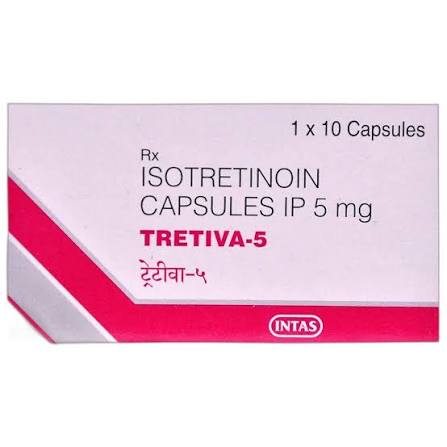
Isotretinoin 5 mg refers to a capsule containing five milligrams of the active ingredient. A 5 mg product is listed in the UK’s electronic Medicines Compendium. However, actual supply and availability may differ between pharmacies and over time. A pharmacist or prescriber can confirm whether a particular product is suitable and available.
It is important to distinguish the strength printed on a medicine pack from the prescribed daily dose. A clinician may consider different capsule strengths when developing an individual treatment plan. Patients should not try to calculate their own regimen by combining capsules or altering how they take them.
2. What Is Isotretinoin Used For?
Oral isotretinoin is generally reserved for severe acne, including forms that may cause permanent scarring or acne that has not responded adequately to appropriate standard treatments. A dermatologist or other suitably experienced prescriber will consider the severity of the acne, previous treatment, potential benefits and risks before recommending it.
Examples of severe acne that may be assessed for specialist treatment include:
- Nodular acne: Deep, inflamed lumps that can be painful and may leave scars.
- Conglobate acne: A severe form involving clusters of inflamed lesions and interconnected nodules.
- Acne with a high risk of scarring: Persistent inflammation that may leave lasting changes to the skin.
- Persistent acne: Acne that has not responded adequately to appropriate topical and systemic treatments.
Isotretinoin is not normally the first treatment considered for mild spots or occasional breakouts. Other treatments may be more appropriate and have a different safety profile. A healthcare professional can help determine whether specialist assessment is warranted.
For a UK overview, read the
NHS guide to isotretinoin.
3. How Does Isotretinoin Work?
Acne develops through several interacting processes, including excess sebum production, blocked hair follicles, inflammation and changes in the microorganisms that live on the skin. Isotretinoin influences these processes rather than targeting just one symptom.
Reduces excess skin oil
Isotretinoin reduces the activity and size of sebaceous glands, helping to decrease the amount of oil produced by the skin.
Helps limit blocked pores
It changes processes involved in the formation of clogged follicles, one of the factors contributing to acne lesions.
Acts on inflammation
Its effects on the acne process can help reduce the formation of inflamed lesions in people who respond to treatment.
Supports longer-term control
A prescribed course can lead to substantial improvement for some patients, although relapse can still occur.
Results are not immediate, and the response differs from person to person. Some people notice changes over several weeks, while a full course may take several months. Acne can sometimes appear to worsen temporarily at the beginning. Contact the treating clinician if the worsening is severe, painful or concerning.
4. Is 5 mg the Right Strength?
The appropriate strength and treatment schedule cannot be selected from the product name alone. The prescriber considers factors such as body weight, the severity of acne, previous treatment, side effects, relevant health conditions and the patient’s response over time.
A low-strength capsule may form part of a clinician-directed plan in particular circumstances, but that does not mean it is suitable for everyone or that a lower strength removes the medicine’s serious risks. Even low-strength isotretinoin can cause harm during pregnancy and requires appropriate clinical oversight.
5. How Should Isotretinoin Be Taken?
Follow the directions on your prescription label and the patient information leaflet supplied with the medicine. Product instructions may vary, so the specific leaflet and advice from your healthcare professional should take priority over general online information.
- Take the medicine only if it has been prescribed for you.
- Follow the exact dose and schedule provided by your prescriber.
- Follow the product-specific instructions about taking capsules with food.
- Swallow the capsule as directed by the leaflet; do not alter the capsule unless a healthcare professional confirms it is appropriate.
- Attend scheduled reviews and blood tests.
- Keep the medicine in its original packaging and store it according to the leaflet.
- Keep it out of the sight and reach of children.
If you miss a dose, check the leaflet for your specific product or contact a pharmacist for advice. Do not take an extra dose to make up for a missed one unless a healthcare professional specifically directs you to do so.
If you take more than your prescribed amount, seek urgent advice from NHS 111 or a healthcare professional. Take the medicine packaging with you if you are told to attend a medical service.
6. Common Side Effects of Isotretinoin
Side effects are common during isotretinoin treatment, although not everyone experiences the same effects or severity. Dryness is particularly frequent because the medicine reduces oil production.
Dry or cracked lips
Dry lips are a common problem. A bland lip balm or ointment may help reduce discomfort. Ask a pharmacist or clinician which products are suitable if cracking becomes severe or the skin develops signs of infection.
Dry skin and irritation
Skin may feel tight, flaky, sensitive or irritated. A gentle cleanser and fragrance-free moisturiser may help. Avoid adding strong exfoliants or multiple acne treatments without checking with the treating clinician.
Dry eyes
Some people experience eye dryness or irritation and may find contact lenses less comfortable. Ask a pharmacist or clinician about appropriate eye lubricants. Seek medical advice if eye pain or a change in vision develops.
Sun sensitivity
Skin may become more sensitive to sunlight. Use sun protection, cover exposed skin and avoid sunbeds. Do not assume that cloudy weather removes the risk of sun damage.
Muscle, joint or back discomfort
Muscle aches, joint discomfort and back pain can occur. Report persistent or severe symptoms to your prescriber, particularly if they affect movement or normal daily activities.
Nose dryness and nosebleeds
Dryness inside the nose may cause crusting or occasional nosebleeds. Ask a pharmacist for advice if symptoms persist or become troublesome.
Do not stop or alter treatment solely on the basis of general information on this page. Contact the clinician responsible for your treatment to discuss side effects and decide what action is appropriate.
7. Serious Side Effects That Need Prompt Attention
Serious adverse effects are less common than dryness, but they must be recognised. Isotretinoin treatment includes monitoring because it can affect areas of health beyond the skin.
- Mental health changes: New or worsening depression, marked mood changes, unusual behaviour or thoughts of self-harm need prompt assessment. If there is immediate danger or a risk of suicide, call 999 or attend A&E.
- Vision changes or severe headache: A persistent or severe headache, especially with vomiting or changes in vision, needs urgent medical assessment.
- Liver-related symptoms: Yellowing of the skin or eyes, dark urine or other concerning symptoms should be assessed promptly.
- Severe abdominal pain: Seek urgent medical advice, particularly if pain is accompanied by vomiting or other significant symptoms.
- Severe allergic reaction: Swelling of the face, lips, tongue or throat, or difficulty breathing, requires emergency help.
- Possible pregnancy: If pregnancy occurs or is suspected during treatment or within one month after stopping, stop taking isotretinoin and contact the prescribing team urgently for advice.
Do not wait for a routine appointment if symptoms suggest a serious adverse reaction. For current UK safety advice, consult the
MHRA information on isotretinoin safety.
8. Isotretinoin and Pregnancy
People who can become pregnant must follow the pregnancy-prevention requirements that apply to their treatment. These can include pregnancy testing before, during and after treatment, and effective contraception before starting, throughout treatment and for at least one month after the final dose.
The exact arrangements must be discussed with the prescribing team. Do not rely on a low capsule strength as protection against pregnancy-related harm. The risk remains serious regardless of whether the prescribed strength is 5 mg or another strength.
Isotretinoin must also not be used while breastfeeding. Anyone who is breastfeeding, planning a pregnancy or concerned about a possible pregnancy should tell their prescriber before taking the medicine.
Read the
UK pregnancy-prevention guidance for oral retinoids
for additional safety information.
9. Mental Health and Emotional Wellbeing
Mental health should be discussed before and during isotretinoin treatment. Some people taking the medicine have reported depression, anxiety, mood changes or suicidal thoughts. The relationship between isotretinoin and individual mental health symptoms can be complex, but new or worsening symptoms should never be ignored.
Tell your prescriber about previous or current mental health difficulties and any changes in mood, sleep, behaviour or wellbeing during treatment. A family member or friend may notice changes that the person taking the medicine has not recognised themselves, and their concerns can also be shared with the clinical team.
If you develop suicidal thoughts or feel at immediate risk of harming yourself, seek emergency help. For other new or worsening symptoms, contact your prescriber promptly rather than waiting until the next scheduled appointment.
10. Medical Checks and Monitoring
Isotretinoin requires medical supervision. Before starting, the clinician reviews whether the medicine is appropriate and explains the benefits, risks and monitoring plan. The checks needed during treatment depend on individual circumstances and current prescribing guidance.
Blood tests
Blood tests may be used to monitor liver function and blood fats, including triglycerides and cholesterol. Your prescriber will determine when tests are needed and whether results require any changes to the treatment plan.
Skin and symptom reviews
Appointments provide an opportunity to discuss whether acne is improving, whether side effects are manageable and whether other medicines or skincare products need review.
Pregnancy-prevention checks
Where relevant, pregnancy-prevention procedures and testing are essential parts of safe treatment. Follow the instructions from the prescribing service carefully.
Mental health and other concerns
Monitoring should include discussion of mental wellbeing and other important symptoms, including sexual function concerns where relevant. Tell the clinical team about changes rather than assuming that they are an unavoidable part of treatment.
In January 2026, the MHRA announced changes to UK isotretinoin prescribing safeguards, including updated patient risk information. Other existing safety measures remain in place. Read the
latest MHRA prescribing guidance.
11. Medicines and Supplements to Discuss With Your Prescriber
Always give your prescriber and pharmacist a complete list of medicines, vitamins, supplements and herbal products you use. Some combinations can increase the risk of harm or require additional advice.
- Tetracycline antibiotics: Medicines such as doxycycline and minocycline should not generally be used alongside isotretinoin because the combination can increase the risk of raised pressure inside the skull.
- Vitamin A supplements: Avoid additional vitamin A unless your clinician specifically advises otherwise, because combined effects can increase toxicity.
- Other acne treatments: Some topical or oral products may worsen irritation or dryness. Ask before adding a new treatment.
- Other prescription medicines: Your clinician needs to assess potential interactions based on your full medication list.
Do not stop a prescribed medicine on your own to make room for isotretinoin. Ask the healthcare professional managing your care to review the combination and advise you on the safest plan.
12. Alcohol, Food and Everyday Habits
The NHS advises that it is best not to drink alcohol while taking isotretinoin because of the potential for liver problems and changes in blood fats. Discuss alcohol use with your clinician, especially if you drink regularly or have been told that your liver tests or cholesterol are abnormal.
Follow the instructions on your own medicine leaflet regarding food. Do not assume that directions for one brand or formulation automatically apply to another.
Gentle skincare can make dryness easier to manage. Consider a mild cleanser, moisturiser and lip balm, and use suitable sun protection. Avoid harsh scrubs, waxing or aggressive cosmetic procedures unless your treating clinician has confirmed that they are appropriate during your treatment and recovery period.
13. Who Needs Extra Medical Advice Before Treatment?
Isotretinoin may not be suitable for everyone. Before prescribing, a clinician needs to know about relevant medical conditions, allergies, previous adverse reactions and other medicines being taken.
Tell your healthcare professional if you:
- Are pregnant, breastfeeding, planning a pregnancy or could become pregnant.
- Have a history of depression, other mental health conditions or suicidal thoughts.
- Have liver problems or abnormal liver blood tests.
- Have high blood fats or a history of related medical concerns.
- Have an allergy or sensitivity to ingredients listed in the product leaflet, including relevant oil-based ingredients.
- Take tetracycline antibiotics, vitamin A supplements or other acne medicines.
- Have experienced a serious reaction to isotretinoin in the past.
This list is not exhaustive. A pharmacist or prescriber can check the product information and assess your individual circumstances.
14. What Results Can Patients Expect?
Treatment response varies. Some patients experience substantial improvement after a course prescribed by a specialist, while others may need further assessment or may experience a recurrence of acne later. The timing and extent of improvement depend on factors including disease severity, treatment duration, individual response and tolerability.
Do not increase the dose because results seem slow, and do not extend treatment without clinical advice. If your acne is not improving, becomes significantly worse or leaves new scars, discuss this with the clinician managing your care.
Skin can remain sensitive after treatment. Ask your clinician when it is appropriate to resume cosmetic procedures or stronger skincare products. Continue to use gentle skincare and seek advice if acne returns.
15. Is Isotretinoin 5 mg Suitable for Mild Acne?
Oral isotretinoin is generally reserved for severe acne when appropriate standard treatments have not worked or when the condition creates a significant risk of permanent scarring. A low-strength capsule does not make it a routine choice for mild acne.
For mild or moderate acne, a clinician may discuss other options, such as suitable topical treatments or other prescribed medicines, depending on the type of acne and the patient’s circumstances. A pharmacist or GP can help identify the right route for assessment.
16. Storage and Disposal
Keep isotretinoin in its original packaging and follow the storage instructions printed on the pack and in the patient leaflet. Keep it away from children and do not share it with another person, even if they have similar skin symptoms.
Return unused or unwanted capsules to a pharmacy for safe disposal. Do not pass them to someone else or dispose of them in a way that could expose other people to the medicine. Follow any specific disposal instructions in the product leaflet.
17. Frequently Asked Questions
What is isotretinoin 5 mg used for?
It is a low-strength capsule containing isotretinoin, a prescription-only oral retinoid used by specialists for severe acne in appropriate patients. Whether it is suitable depends on an individual clinical assessment.
Is isotretinoin 5 mg available in the UK?
A 5 mg isotretinoin capsule product is listed in the UK’s electronic Medicines Compendium. However, the availability of a particular product can vary. A pharmacist or prescriber can confirm its current availability and suitability.
Is isotretinoin 5 mg a low dose?
It is a low capsule strength compared with higher-strength capsules, but capsule strength and an individual’s prescribed daily dose are not the same thing. Only the prescriber can determine the appropriate regimen.
How long does isotretinoin take to work?
Improvement often takes weeks rather than days, and a prescribed course may last several months. The response varies. Follow-up appointments help the prescriber assess progress and side effects.
What are the most common side effects?
Dry lips, dry skin, dry eyes, increased sensitivity to sunlight and muscle or joint discomfort are among the recognised side effects. Report severe, persistent or worrying symptoms to your healthcare professional.
Can isotretinoin be taken during pregnancy?
No. Isotretinoin can cause miscarriage and severe harm to a developing baby. It must not be taken during pregnancy, and applicable pregnancy-prevention measures must be followed.
Can I take vitamin A supplements with isotretinoin?
Do not take vitamin A supplements alongside isotretinoin unless your prescriber specifically advises you to. Tell your healthcare professional about all supplements and medicines you use.
Can I drink alcohol while taking isotretinoin?
The NHS advises that it is best to avoid alcohol during treatment because of potential liver and blood-fat effects. Discuss your circumstances with your prescriber if you need specific advice.
What should I do if I miss a dose?
Check the patient leaflet or ask your pharmacist for advice. Do not double the next dose to make up for one that was missed.
Do I need blood tests while taking isotretinoin?
Monitoring commonly includes blood tests to assess liver function and blood fats. The timing and frequency are determined by the clinician responsible for your treatment.
Can I use isotretinoin with doxycycline?
Isotretinoin should not generally be taken with tetracycline antibiotics such as doxycycline because of the risk of raised pressure inside the skull. Ask your prescriber to review the combination before taking either medicine together.
Can I change from another isotretinoin strength to 5 mg?
Do not switch strengths or adjust your treatment yourself. Contact your prescriber or pharmacist so they can confirm the correct prescription and provide instructions for your particular product.
18. Trusted Sources and Further Reading
- NHS: Isotretinoin (Roaccutane) — uses, taking the medicine, side effects and important precautions.
- Electronic Medicines Compendium: Isotretinoin 5 mg capsules — product-specific professional information.
- MHRA: Updated isotretinoin prescribing guidance — UK safety measures updated in January 2026.
- GOV.UK: Pregnancy prevention for oral retinoids — precautions to minimise pregnancy-related risk.
- MHRA: Review of suspected psychiatric and sexual side effects — safety information and monitoring guidance.
19. Final Thoughts
Isotretinoin 5 mg is a specific capsule strength of a medicine used under specialist supervision for severe acne. Although isotretinoin can provide substantial improvement for appropriate patients, it requires careful prescribing, monitoring and attention to side effects. Pregnancy prevention, medicine interactions and mental wellbeing are particularly important parts of safe treatment.
Use the medicine only as prescribed, attend follow-up appointments and speak with your healthcare professional if you have questions about the strength, availability, side effects or treatment plan. Online information can help you prepare for a discussion, but it cannot replace individual medical advice.
Medical information notice: This page is for general educational purposes and is not a substitute for a diagnosis, prescription, patient leaflet or advice from a qualified healthcare professional. Product availability and instructions can vary. Always follow your prescription and the leaflet supplied with your medicine.



Reviews
There are no reviews yet.