
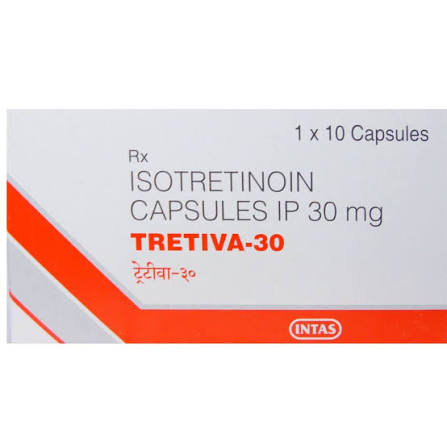
Isotretinoin 30 mg: Uses, Side Effects, Precautions and Treatment Information
Severe acne can affect more than the appearance of the skin. Persistent inflammation, painful spots and the possibility of permanent scarring can affect everyday comfort and confidence. When standard acne treatments have not worked adequately, a dermatologist may consider isotretinoin as part of a carefully supervised treatment plan.
Isotretinoin is an oral retinoid medicine used for certain severe forms of acne. The 30 mg strength refers to the amount of medicine in a capsule, not a dose that is automatically appropriate for every patient. The right treatment depends on individual circumstances, medical history, body weight, response to treatment and the prescriber’s assessment.
What Is Isotretinoin 30 mg?
Isotretinoin belongs to a group of medicines called retinoids, which are related to vitamin A. It works on several processes involved in acne, particularly the activity of the skin’s oil-producing glands. By reducing excess oil production and changing the environment inside hair follicles, isotretinoin can help control severe acne.
Isotretinoin is generally considered when acne is severe, carries a risk of permanent scarring or has not responded adequately to appropriate standard treatments. A specialist must assess whether its potential benefits outweigh its risks before prescribing it.
A product labelled 30 mg contains that quantity of isotretinoin per capsule. It should not be confused with a personalised treatment instruction. Not every patient needs the same amount, and a capsule strength alone does not explain how frequently the medicine should be taken or how long treatment should continue.
For current UK patient guidance, visit the NHS isotretinoin information page.
What Is Isotretinoin Used For?
Isotretinoin is primarily used to treat severe acne when other suitable treatments have not produced an adequate result. A dermatologist may consider it for deep, inflamed or nodular acne, extensive breakouts, or acne that is likely to leave permanent scars.
Severe inflammatory acne
Inflammatory acne may involve red, swollen and tender lesions. In more severe cases, deeper nodules or cyst-like lesions can develop. These spots can be painful and may take a long time to settle. Isotretinoin can be effective for appropriately selected patients because it addresses several processes that contribute to acne rather than focusing on only one symptom.
Acne that has not responded to other treatment
Many people first receive treatment involving topical medicines, prescription antibiotics or a combination of approaches. When properly selected treatments have not controlled severe acne, a specialist may discuss isotretinoin. The decision should take account of previous treatment, adherence, side effects, the severity of acne and the risk of scarring.
Acne associated with scarring
Ongoing deep inflammation can damage the skin and leave lasting marks or scars. A dermatologist may consider isotretinoin when the acne itself creates a significant risk of permanent scarring. Early specialist assessment can help patients understand the available options before additional damage occurs.
Isotretinoin is not intended as a general cosmetic medicine for occasional spots, blackheads or mild breakouts. It should only be used when a qualified prescriber determines that the treatment is appropriate.
How Does Isotretinoin Work?
Acne develops through a combination of excess sebum, blocked hair follicles, changes in the skin microbiome and inflammation. Sebum is the oily substance produced by sebaceous glands. When oil and dead skin cells accumulate inside follicles, spots and inflammatory lesions may develop.
Isotretinoin reduces the activity and size of sebaceous glands, which lowers sebum production. It also affects the process through which skin cells are shed inside follicles, helping reduce the conditions that contribute to blocked pores. Its wider effects on the acne process can reduce inflammatory lesions over time.
The response is not necessarily immediate. Some people notice gradual improvement during treatment, while others need more time. The skin can also become temporarily more irritated or acne may appear to worsen early in treatment. Any significant deterioration should be discussed with the prescribing team rather than managed by changing the dose independently.
After a treatment course, some patients experience prolonged improvement. However, results vary, and acne can return. A clinician should assess persistent or recurrent acne before another course is considered.
Understanding the 30 mg Strength
The number shown on a medicine package describes the amount of active ingredient contained in each capsule. It does not determine the correct treatment plan by itself. Isotretinoin prescribing is individualised, and the clinician considers factors such as the patient’s weight, acne severity, response, tolerance and relevant medical conditions.
A 30 mg capsule may form part of a prescribed regimen for a particular patient, but this does not make 30 mg a universal starting dose or a suitable dose for everyone. Some people require a different regimen because of side effects, medical conditions or other clinical considerations.
Who May Be Prescribed Isotretinoin?
A specialist will consider isotretinoin when the severity and impact of acne justify a treatment with important safety requirements. The assessment generally includes a review of previous treatments, current medicines, allergies, medical history and any conditions that may affect treatment.
The clinician may also discuss mental health, sexual function, pregnancy prevention where relevant, and the blood tests needed before and during treatment. Patients should have the opportunity to ask questions, understand the potential benefits and risks, and consider whether they feel comfortable proceeding.
In the UK, the Medicines and Healthcare products Regulatory Agency (MHRA) updated isotretinoin risk-minimisation measures in January 2026. The requirement for a second prescriber’s agreement for patients under 18 was removed, but other safeguards remain, including mental health assessment, monitoring and pregnancy-prevention measures where applicable.
Read the latest MHRA isotretinoin prescribing and safety update for further details.
Who Should Not Take Isotretinoin?
Isotretinoin is not suitable for everyone. The exact contraindications depend on the authorised product information and the patient’s circumstances. A prescriber must review the relevant product leaflet and clinical history before treatment begins.
Important restrictions include:
- Pregnancy: isotretinoin must not be used during pregnancy because it can cause miscarriage and severe birth defects.
- Breastfeeding: isotretinoin must not be taken while breastfeeding.
- Some medicine combinations: treatment must not be combined with tetracycline antibiotics because of the risk of increased pressure inside the skull.
- Vitamin A supplements: these can increase the risk of vitamin A-related toxicity and should not be taken alongside isotretinoin unless a specialist gives specific advice.
- Relevant medical conditions: liver problems, significantly raised blood lipids and certain other conditions may make treatment unsuitable or require special assessment.
- Allergies: some isotretinoin products contain soya-derived ingredients. Check the specific product information if you have a peanut or soya allergy.
Tell your prescriber about all known allergies, medical conditions and medicines before starting treatment. Do not assume that a medicine is safe to combine with isotretinoin simply because it is available without a prescription.
Pregnancy Prevention and Isotretinoin
Pregnancy prevention is one of the most important parts of isotretinoin safety. Exposure during pregnancy can cause serious harm to the developing baby, including major congenital abnormalities and an increased risk of miscarriage. For this reason, isotretinoin must never be used during pregnancy.
People who could become pregnant must follow the Pregnancy Prevention Programme when required. The prescribing team explains the necessary contraception, pregnancy testing and other safeguards before treatment begins. Effective contraception is required for at least one month before treatment, throughout treatment and for at least one month after the medicine has been stopped, in accordance with the programme.
Do not begin treatment until the required checks and arrangements have been completed. If you think you may be pregnant, your period is late, contraception has failed or you have had unprotected sex during treatment, contact your prescribing team urgently for advice. Stop taking isotretinoin and seek urgent medical guidance if pregnancy occurs or is suspected.
People who are pregnant, planning a pregnancy or breastfeeding should discuss appropriate alternatives with a healthcare professional. Isotretinoin should never be shared or supplied to another person.
For additional information, consult the official UK pregnancy-prevention guidance for oral retinoids.
Possible Side Effects of Isotretinoin 30 mg
Like other prescription medicines, isotretinoin can cause side effects. Some are common and manageable with appropriate advice, while others need prompt medical assessment. The effects experienced by one patient may differ from those experienced by another.
Dry lips and skin
Dry, cracked lips and dry skin are among the best-known effects of isotretinoin. A gentle lip balm and fragrance-free moisturiser may help reduce discomfort. Avoid harsh scrubs and strong skincare products unless the prescribing team advises otherwise.
Dry eyes and irritation
Some people develop dry or irritated eyes. Contact lens wearers may find their lenses less comfortable than usual. Ask a pharmacist or clinician about suitable lubricating eye drops, and seek advice if eye pain, significant redness or changes in vision occur.
Sun sensitivity
Skin may become more sensitive to sunlight and more prone to irritation. Use a broad-spectrum sunscreen with SPF 30 or higher, reapply as directed, wear protective clothing and avoid sunbeds. Take extra care during outdoor activities, even when the weather is cool.
Muscle, back and joint discomfort
Some patients report muscle aches, joint discomfort or back pain. Tell your clinician if pain is persistent, severe or interferes with normal activity. Do not ignore pronounced weakness or severe muscle symptoms, especially if they occur after intense exercise.
Headaches and other symptoms
Headaches may occur during treatment. A severe or persistent headache, particularly with nausea, vomiting or visual changes, requires urgent medical assessment. This is especially important because certain medicine combinations can increase the risk of raised pressure inside the skull.
Changes in blood test results
Isotretinoin may increase blood lipid levels or affect liver enzymes. These changes may not cause obvious symptoms, which is one reason the prescriber may request blood tests. Attend the recommended appointments even if you feel well.
Mood and mental health changes
Mood changes, depression and other mental health concerns have been reported in people taking isotretinoin. Acne itself can also affect emotional wellbeing, so the relationship between treatment and symptoms can be complex. Patients and their families should know which changes to look out for and how to obtain help.
Contact the prescribing team promptly if you notice a concerning change in mood, behaviour or emotional wellbeing. If you experience thoughts of self-harm or suicide, seek urgent help through emergency services or an appropriate crisis service.
Sexual function concerns
Sexual side effects have also been reported. Patients should feel able to discuss changes in sexual function, libido or related concerns without embarrassment. UK safety guidance recommends assessment before treatment and continued monitoring during follow-up appointments.
Serious Symptoms That Need Urgent Attention
Although serious reactions are less common than dryness and irritation, it is important to recognise symptoms that need urgent assessment.
- Severe headache with vomiting, blurred vision or other visual changes.
- Severe abdominal pain or significant, persistent digestive symptoms.
- Yellowing of the skin or eyes, which may indicate a liver problem.
- Severe allergic symptoms, such as swelling of the face or throat or difficulty breathing.
- Major changes in mood, thoughts of self-harm or suicidal feelings.
- Suspected pregnancy during treatment or within one month after stopping.
- Severe muscle pain, weakness or other symptoms that are rapidly worsening.
Seek emergency assistance for difficulty breathing, severe allergic reactions or immediate risk of self-harm. For other serious or worrying symptoms, contact a healthcare professional urgently. Do not wait for a routine appointment when symptoms may be serious.
Medical Monitoring During Treatment
Monitoring helps the prescribing team evaluate whether isotretinoin is working, identify side effects and decide whether the treatment plan needs to change. The precise schedule depends on the clinician’s assessment, the product information and the patient’s risk factors.
Blood tests
Blood tests may be arranged to check liver function and blood lipid levels. Additional monitoring may be appropriate for people with certain health conditions or abnormal results. A patient should not assume that testing is unnecessary simply because they have no symptoms.
Skin and symptom reviews
Follow-up appointments give patients an opportunity to discuss dryness, irritation, acne changes, pain and other symptoms. Bring up new or worsening problems rather than waiting for the clinician to ask about every possible side effect.
Mental health and sexual function
UK guidance recommends assessment of mental health before treatment and continued monitoring during follow-up. Patients may also be asked about sexual function. Honest communication helps the clinician understand whether symptoms need further assessment or changes to the treatment plan.
Pregnancy testing where applicable
People enrolled in the Pregnancy Prevention Programme must follow the testing arrangements set by their healthcare team. These checks are a core safety requirement, not an optional extra.
For the current regulatory recommendations, read the MHRA review of suspected psychiatric and sexual side effects.
Medicines and Supplements That May Interact
Before starting isotretinoin, provide a complete list of your prescription medicines, non-prescription products, vitamins and supplements. A pharmacist or prescriber can check whether any combination needs to be avoided or managed differently.
Tetracycline antibiotics
Isotretinoin must not be taken at the same time as tetracycline antibiotics, such as doxycycline or minocycline, because the combination can increase the risk of benign intracranial hypertension, a condition involving raised pressure inside the skull. Never combine acne treatments without checking with the prescribing team.
Vitamin A supplements
Vitamin A supplements can increase the risk of vitamin A toxicity when used with isotretinoin. Check multivitamins, skin supplements and other products for their ingredients. Ask a pharmacist before using any supplement while receiving treatment.
Other acne treatments
Topical exfoliating or irritating acne treatments may make dryness, redness and peeling worse. Products containing ingredients such as salicylic acid or benzoyl peroxide may need to be avoided during treatment unless the clinician specifically advises otherwise. Follow the personalised skincare advice provided by your dermatology team.
Other prescribed medicines
Some other medicines may require additional consideration. Do not stop a regular medicine without professional advice, and do not start a new treatment without explaining that you take isotretinoin.
The product-specific details are available in the UK Summary of Product Characteristics for isotretinoin capsules. Check the leaflet for the exact product supplied to you.
Skincare Tips While Taking Isotretinoin
Isotretinoin can make the skin dry, delicate and more easily irritated. A simple routine is often easier to tolerate than a complicated collection of active products.
- Use a gentle cleanser: choose a mild, non-abrasive cleanser and avoid vigorous scrubbing.
- Moisturise regularly: a fragrance-free moisturiser may help reduce dryness and tightness.
- Protect your lips: use a bland lip balm frequently, particularly in cold or windy conditions.
- Apply sunscreen: choose broad-spectrum SPF 30 or higher and follow the product’s reapplication instructions.
- Avoid harsh exfoliation: scrubs, peels and irritating active ingredients may worsen skin sensitivity.
- Be careful with hair removal: waxing and certain skin procedures can damage fragile skin. Ask your clinician when these activities can safely be resumed.
- Keep the routine consistent: introduce new products cautiously and ask a pharmacist or dermatologist if you are unsure.
Do not attempt to speed up treatment by combining isotretinoin with several strong acne products. More irritation does not mean the medicine is working better. A clinician can recommend suitable products based on your symptoms and skin condition.
Sun Exposure, Exercise and Daily Activities
Most people can continue many everyday activities while taking isotretinoin, but some adjustments may be necessary. Skin can burn more easily in sunlight, so use sunscreen and protective clothing and avoid sunbeds.
Exercise may need to be adjusted if it causes unusual muscle or joint discomfort. The NHS advises avoiding excessive intense exercise during treatment because severe muscle and joint pain can occur. Discuss your normal exercise routine with your clinician, especially if you participate in demanding sports or endurance training.
If you experience dizziness or visual symptoms, avoid driving, cycling or operating machinery until it is safe to do so and seek medical advice where appropriate. Always follow the instructions in your medicine leaflet and advice from your prescriber.
Alcohol and Isotretinoin
Alcohol can place additional strain on the liver and may affect blood lipid levels. The NHS advises it is best not to drink alcohol while taking isotretinoin. Discuss your individual circumstances with your prescriber, particularly if you have liver disease, raised cholesterol or a history of alcohol-related health problems.
Do not assume that occasional drinking is safe for you without considering your health and the advice provided by your healthcare professional.
What Happens If You Miss a Dose?
If you forget a dose, follow the instructions in the patient information leaflet supplied with your medicine or ask your pharmacist for advice. The NHS advises that a missed dose should not be replaced by taking two doses together. If it is nearly time for the next dose, the leaflet explains how to proceed.
If you are uncertain what to do, do not guess or take extra capsules to compensate. A pharmacist can help clarify the instructions for your specific prescription.
What If You Take More Than Prescribed?
Taking more isotretinoin than prescribed can be dangerous. If you have taken an extra amount or think you may have overdosed, obtain urgent medical advice. In the UK, contact NHS 111 for advice, or use emergency services if you develop severe symptoms. Follow the advice given by the healthcare professional and take the medicine packaging with you if you need an assessment.
Keep isotretinoin in its original packaging and store it according to the leaflet. Keep it out of the reach of children, and never share your capsules with anyone else.
How Long Does Isotretinoin Treatment Last?
The duration of treatment varies between patients. A clinician considers the severity of acne, the patient’s response, side effects and the overall treatment plan when deciding how long therapy should continue.
Some people need several months of treatment, and improvement may continue after the course has ended. The length of treatment cannot be determined by the capsule strength alone. Do not shorten, extend or repeat a course without the prescribing specialist’s advice.
Acne can sometimes return after treatment. If this happens, seek a medical review rather than restarting leftover capsules. A specialist can assess whether further treatment is necessary and whether isotretinoin remains an appropriate option.
Frequently Asked Questions About Isotretinoin 30 mg
1. What is isotretinoin 30 mg used for?
Isotretinoin is used for certain severe forms of acne when standard treatments have not worked adequately. The 30 mg label indicates the amount in a capsule; it does not determine whether that strength is appropriate for an individual patient.
2. Is isotretinoin available on prescription in the UK?
Yes. Isotretinoin is a prescription-only medicine and is generally prescribed under the supervision of a specialist experienced in treating severe acne.
3. Does isotretinoin work immediately?
No. Improvement usually develops over time, and individual responses vary. Your prescriber can explain what to expect and how progress will be assessed during follow-up.
4. Can everyone take the 30 mg strength?
No. The suitable regimen depends on individual clinical factors, and some people need a different approach. Only take the strength and schedule prescribed specifically for you.
5. What are the most common side effects?
Dry lips, dry skin, eye irritation and increased sun sensitivity are well-known effects. Muscle or joint discomfort and changes in blood test results can also occur. Report troublesome or worsening symptoms to your healthcare team.
6. Can isotretinoin be taken during pregnancy?
No. Isotretinoin can cause severe harm to an unborn baby and must not be used during pregnancy. People who could become pregnant must follow the applicable Pregnancy Prevention Programme requirements.
7. Can I take doxycycline with isotretinoin?
Isotretinoin must not be taken concurrently with tetracycline antibiotics, including doxycycline, because of the risk of raised pressure inside the skull. Ask your prescriber to review your medicines before treatment.
8. Do I need blood tests?
Blood tests are commonly used to monitor liver function and blood lipid levels. Your clinician will decide which tests you need and when they should take place.
9. Can I use my normal acne skincare products?
Not necessarily. Some exfoliating or irritating products may worsen dryness and inflammation during treatment. Ask your dermatologist or pharmacist which products are suitable for your skin.
10. Can I drink alcohol during treatment?
The NHS advises that it is best not to drink alcohol while taking isotretinoin because of potential liver and blood lipid concerns. Ask your prescriber for advice specific to your circumstances.
11. What should I do if my mood changes?
Contact your prescribing team promptly if you notice a concerning change in mood or mental health. Seek emergency help if you have thoughts of self-harm or suicide.
12. Can I restart isotretinoin if acne returns?
Do not restart leftover capsules or begin another course without medical assessment. A specialist should review your skin and medical history before deciding on further treatment.
Choosing Reliable Medical Information
Online information can help you prepare for an appointment, but it cannot replace a medical assessment. Use authoritative sources that explain both the potential benefits and the risks of treatment. Be cautious of websites that promise guaranteed results, encourage self-prescribing or suggest that medical monitoring is unnecessary.
Useful external resources
Final Thoughts
Isotretinoin can be an important treatment option for severe acne when other suitable therapies have not worked. However, its benefits must be weighed against the possibility of side effects and the need for careful monitoring. The 30 mg capsule strength is not a personal dosing recommendation, and treatment should only be undertaken under the direction of an appropriately qualified prescriber.
Before starting treatment, make sure you understand the pregnancy precautions where applicable, medicine interactions, expected side effects and follow-up arrangements. Keep appointments, communicate changes in your physical or mental health and ask for professional advice whenever the instructions are unclear.
Medical disclaimer: This article is for general educational purposes only. It is not a diagnosis, prescription or substitute for professional medical advice. Always read the leaflet supplied with your medicine and follow the instructions of your prescriber.



Reviews
There are no reviews yet.