
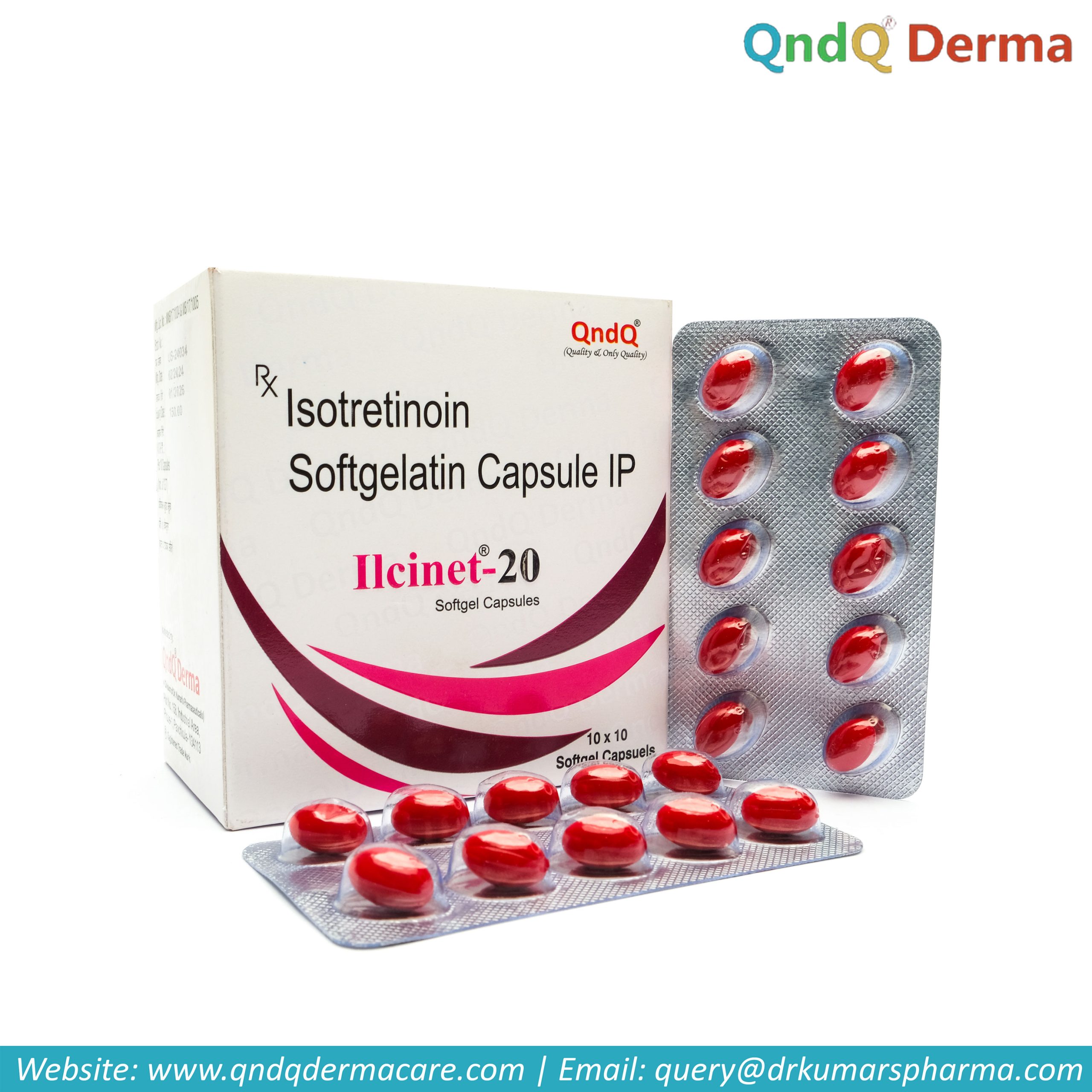
Isotretinoin 20 mg: Uses, Side Effects, Precautions and Safety Guide
Severe acne can be frustrating, particularly when painful spots continue to appear despite trying several treatments. Persistent inflammation can affect comfort, confidence and, in some cases, leave permanent scars. Isotretinoin is an oral prescription medicine that dermatology specialists may consider when severe acne has not responded adequately to appropriate standard treatment.
Isotretinoin 20 mg is a capsule strength containing 20 milligrams of the active ingredient. The medicine belongs to a group called retinoids, which are related to vitamin A. It acts on several processes involved in acne, particularly excess oil production and the development of blocked, inflamed hair follicles.
Although isotretinoin can be effective for selected patients, it requires careful medical supervision. It can cause significant side effects, has important interactions and must not be used during pregnancy. Patients may need blood tests, follow-up appointments and specific precautions throughout treatment.
1. What Is Isotretinoin 20 mg?
Isotretinoin is an oral retinoid used to treat severe acne that has not improved sufficiently with other appropriate treatments. Depending on the patient’s circumstances, a dermatologist may consider it for severe nodular acne, conglobate acne or acne that places the skin at risk of permanent scarring.
The medicine affects the sebaceous glands, which produce sebum, the natural oil that helps protect the skin. Excessive oil production can contribute to the development of acne. Isotretinoin reduces sebaceous gland activity and changes the environment inside hair follicles, helping address several underlying factors involved in acne.
The number 20 mg describes the amount of isotretinoin in each capsule. It does not tell you whether this strength is appropriate for your condition. Treatment decisions depend on factors such as the severity of acne, body weight, medical history, response to treatment and tolerance of side effects.
For official patient information, visit the NHS isotretinoin guide.
2. What Is Isotretinoin Used For?
Isotretinoin is mainly used for severe acne when other suitable treatments have not worked adequately. A specialist considers whether the potential benefits justify the risks and monitoring requirements.
Severe inflammatory acne
Inflammatory acne may cause red, swollen and tender spots. More severe cases can involve deep nodules or cyst-like lesions beneath the skin. These lesions may take longer to settle and can leave scars. Isotretinoin can help selected patients because it targets several processes that contribute to acne rather than simply treating the surface of an individual spot.
Acne that has not responded to standard treatment
Initial acne treatment may involve topical medicines, prescription antibiotics or combinations of treatments. When severe acne continues despite appropriate treatment, a dermatologist may discuss isotretinoin as another option. The clinician should consider which treatments have already been tried, whether they were tolerated and how significantly acne affects the patient.
Acne that may cause permanent scarring
Deep, ongoing inflammation can damage the skin and leave lasting scars. When the pattern and severity of acne suggest a substantial risk of permanent scarring, a specialist may consider isotretinoin. Seeking medical advice early can help patients understand their options before further scarring develops.
Isotretinoin is not intended as a general cosmetic product for occasional spots or mild acne. It should not be used without a prescription or simply because other people have reported positive results.
3. How Does Isotretinoin Work?
Acne involves several interacting processes, including excess sebum, blocked hair follicles, changes in the skin microbiome and inflammation. Sebum is produced by sebaceous glands. When oil and dead skin cells build up inside a follicle, the pore may become blocked and acne lesions can develop.
Isotretinoin reduces the activity and size of sebaceous glands, lowering oil production. It also changes the process through which skin cells are shed within follicles, helping reduce the conditions that contribute to blocked pores. Its effects on these processes can lead to a reduction in inflammatory acne over time.
The response is gradual rather than immediate. Some patients notice improvement as treatment progresses, while others need more time. Acne can occasionally appear to worsen early in treatment. If the deterioration is substantial, painful or worrying, contact the prescribing team instead of changing the treatment yourself.
After treatment, some patients experience a lasting improvement, but results differ between individuals. Acne can return, and a further course should only be considered following another medical assessment.
4. Understanding the 20 mg Capsule Strength
A medicine’s strength describes the quantity of active ingredient contained in a capsule. It does not establish the correct dose for an individual patient or determine how long treatment should continue.
Specialists individualise isotretinoin treatment according to the patient’s clinical needs, response and tolerance. Some people require adjustments because of side effects or other health considerations. The prescriber also considers the monitoring required during treatment.
Do not assume that a 20 mg capsule is automatically a low dose, a suitable starting dose or an appropriate daily amount for everyone. Never take extra capsules to try to improve results more quickly.
5. Who May Be Prescribed Isotretinoin?
A dermatologist may consider isotretinoin when acne is severe, risks permanent scarring or has not responded adequately to standard treatment. Before making a decision, the clinician reviews the patient’s skin condition, previous treatments, medical history, allergies and other medicines.
The assessment should also cover the important risks associated with treatment. These include possible effects on mental health and sexual function, pregnancy prevention where applicable, and the need for clinical monitoring. Patients should have an opportunity to ask questions and understand both the expected benefits and possible disadvantages.
In January 2026, the UK Medicines and Healthcare products Regulatory Agency updated isotretinoin prescribing requirements. A second prescriber’s agreement is no longer required for patients under 18, but other safety measures remain, including mental health assessment, follow-up monitoring and the Pregnancy Prevention Programme where applicable.
Read the MHRA’s updated isotretinoin safety guidance for details.
6. Who Should Not Take Isotretinoin?
Isotretinoin is unsuitable for some people. The prescriber must check the authorised product information and review the patient’s circumstances before treatment begins.
- Pregnancy: isotretinoin must not be taken during pregnancy because it can cause severe harm to an unborn baby.
- Breastfeeding: isotretinoin must not be taken while breastfeeding.
- Pregnancy-prevention requirements: people who could become pregnant must meet the relevant Pregnancy Prevention Programme requirements before treatment.
- Tetracycline antibiotics: concurrent use is contraindicated because the combination can increase the risk of raised pressure inside the skull.
- Vitamin A supplements: these may increase the risk of vitamin A toxicity and should not be combined with isotretinoin without specific professional advice.
- Some medical conditions: liver disease, significantly elevated blood lipids and other conditions may make treatment unsuitable or require additional assessment.
- Allergies: some isotretinoin capsules contain soya oil and may be unsuitable for people with peanut or soya allergies. Check the exact product leaflet.
Tell your healthcare professional about all medicines, supplements, allergies and medical conditions before treatment. Do not assume that a non-prescription product is safe to combine with isotretinoin.
7. Pregnancy Prevention and Isotretinoin
Pregnancy prevention is one of the most important aspects of isotretinoin safety. Exposure during pregnancy can cause miscarriage and severe birth defects. Isotretinoin must not be used during pregnancy or when trying to become pregnant.
People who could become pregnant must follow the Pregnancy Prevention Programme when required. The prescribing team explains contraception, pregnancy testing and follow-up arrangements. The programme requires effective contraception for at least one month before treatment, throughout treatment and for at least one month after treatment ends, according to the applicable guidance.
Do not begin treatment until the required checks and arrangements have been completed. If you think you may be pregnant, your period is late or contraception has failed, contact your prescribing team urgently. If pregnancy occurs or is suspected, stop taking isotretinoin and seek urgent medical guidance.
Anyone who is pregnant, planning a pregnancy or breastfeeding should discuss suitable alternatives with a healthcare professional. Isotretinoin should never be shared with another person.
Read the official UK pregnancy-prevention guidance for oral retinoids for more information.
8. Common Side Effects of Isotretinoin 20 mg
Not everyone experiences side effects, and their severity varies. Some effects can be managed with suitable skincare and professional advice, while others require medical assessment.
Dry lips and skin
Dry, cracked lips and dry skin are common during isotretinoin treatment. A simple lip balm and fragrance-free moisturiser may help reduce discomfort. Avoid aggressive exfoliation and strong skincare products unless your clinician recommends them.
Dry eyes
Some patients develop dry or irritated eyes. Contact lens wearers may find their lenses less comfortable. Ask a pharmacist or clinician about suitable lubricating eye drops. Eye pain, pronounced redness or changes in vision should be assessed promptly.
Sun sensitivity
The skin may become more sensitive to sunlight. Use broad-spectrum sunscreen with SPF 30 or higher, wear protective clothing and avoid sunbeds. Follow the sunscreen’s application instructions, especially during outdoor activities.
Muscle, back and joint discomfort
Muscle aches, joint discomfort and back pain can occur. Discuss persistent or severe pain with your prescriber, particularly if it affects daily activities. Severe muscle symptoms or pronounced weakness should not be ignored.
Headaches
Headaches can occur during treatment. A severe or persistent headache, especially with vomiting, nausea or visual changes, requires urgent medical assessment. Certain medicine combinations can increase the risk of raised pressure inside the skull.
Changes in blood tests
Isotretinoin can affect liver enzymes and blood lipid levels. These changes may not cause obvious symptoms, which is why blood tests may be needed during treatment. Attend the monitoring appointments recommended by your healthcare professional.
Mood and mental health changes
Depression, mood changes and other mental health concerns have been reported during isotretinoin treatment. Acne itself can also affect emotional wellbeing, so the relationship between symptoms and treatment can be complex. Patients and families should understand what changes to look for and how to seek help.
Contact the prescribing team promptly if you notice a concerning change in mood or behaviour. If you experience thoughts of suicide or self-harm, seek urgent help through emergency services or an appropriate crisis service.
Sexual function concerns
Changes in sexual function have also been reported. Patients should feel able to discuss changes in libido or other sexual concerns with their clinician. UK safety guidance recommends asking about these concerns before treatment and monitoring them during follow-up.
9. Serious Symptoms That Need Urgent Attention
Some symptoms need urgent assessment rather than waiting for a routine appointment. Seek medical advice promptly if you experience:
- A severe headache accompanied by vomiting or visual changes.
- Severe abdominal pain or significant, persistent digestive symptoms.
- Yellowing of the skin or eyes.
- Swelling of the face or throat, or difficulty breathing.
- Major changes in mood or thoughts of self-harm.
- Severe muscle pain or weakness that is worsening.
- Suspected pregnancy during treatment or within one month after stopping.
For difficulty breathing, a severe allergic reaction or immediate risk of self-harm, seek emergency assistance. If pregnancy occurs or is suspected, stop taking isotretinoin and urgently contact your healthcare team.
10. Medical Monitoring During Treatment
Regular monitoring helps the prescribing team assess whether treatment is appropriate, identify possible side effects and decide whether the treatment plan needs to change. The schedule depends on the patient’s circumstances and the clinician’s assessment.
Blood tests
Blood tests may be used to monitor liver function and blood lipid levels. Additional tests may be appropriate for patients with certain medical conditions or abnormal results. Feeling well does not necessarily mean that monitoring is unnecessary.
Skin and symptom reviews
Follow-up appointments provide an opportunity to discuss dryness, irritation, pain, changes in acne and other symptoms. Report new or worsening problems rather than waiting for your clinician to ask about every possible effect.
Mental health monitoring
UK guidance recommends assessing mental health before prescribing isotretinoin and monitoring patients throughout treatment. Patients should tell their clinician about relevant changes in mood, behaviour or emotional wellbeing.
Sexual function monitoring
Patients may be asked about sexual function before treatment and during follow-up. Discussing concerns openly helps the clinician determine whether further assessment is needed.
Pregnancy testing where applicable
People enrolled in the Pregnancy Prevention Programme must follow the testing arrangements set by their healthcare team. These requirements are a core safety measure, not an optional extra.
See the MHRA guidance on mental health and sexual side effects for further information.
11. Medicine and Supplement Interactions
Before starting isotretinoin, give your prescriber a complete list of prescription medicines, over-the-counter products, vitamins and supplements. Some combinations must be avoided, while others require professional review.
Tetracycline antibiotics
Isotretinoin must not be taken concurrently with tetracycline antibiotics, including doxycycline and minocycline. The combination can increase the risk of intracranial hypertension, a condition involving raised pressure inside the skull. Always have your medicines checked before starting acne treatment.
Vitamin A supplements
Vitamin A supplements can increase the risk of toxicity when combined with isotretinoin. Check multivitamins, skin supplements and other products for their ingredients, and ask a pharmacist before using them.
Topical acne products
Some topical treatments, exfoliants and irritating skincare ingredients can make dryness and redness worse. Products containing ingredients such as salicylic acid or benzoyl peroxide may need to be reviewed by your clinician. Follow the personalised advice provided by your dermatology team.
Other prescribed medicines
Other medicines may require additional consideration. Do not stop a regular prescription without professional advice, and tell every clinician involved in your care that you take isotretinoin.
Check the patient information leaflet for isotretinoin 20 mg capsules for product-specific warnings and instructions.
12. Skincare Tips During Isotretinoin Treatment
Isotretinoin can leave the skin dry, delicate and more easily irritated. A straightforward routine is often easier to tolerate than a complicated collection of active skincare products.
- Choose a gentle cleanser: use a mild, non-abrasive product and avoid vigorous scrubbing.
- Moisturise regularly: a fragrance-free moisturiser may help with dryness and tightness.
- Protect your lips: apply a bland lip balm regularly, especially in cold or windy weather.
- Use sunscreen: choose broad-spectrum SPF 30 or higher and reapply according to the label.
- Avoid harsh exfoliation: scrubs, peels and irritating active ingredients can aggravate sensitive skin.
- Take care with skin procedures: waxing and some cosmetic procedures can damage fragile skin. Ask your dermatologist when they can safely be resumed.
- Introduce products carefully: seek professional advice before adding new acne treatments or supplements.
More skincare products do not necessarily produce better results. If a product causes burning, marked redness or worsening irritation, seek advice about whether to stop using it.
13. Sun Exposure, Exercise and Daily Activities
Many everyday activities can continue during treatment, but precautions may be needed. Protect your skin from sunlight with sunscreen and clothing, and avoid sunbeds.
Exercise may need to be adjusted if you develop unusual muscle or joint discomfort. Discuss strenuous exercise with your clinician, particularly if you participate in endurance events or demanding sports. Severe muscle pain or weakness requires medical assessment.
If you develop visual symptoms or other effects that interfere with safe driving, do not drive until it is safe to do so and obtain medical advice. Follow the medicine leaflet and your prescriber’s instructions.
14. Alcohol and Isotretinoin
The NHS advises that it is best not to drink alcohol while taking isotretinoin because alcohol can add to concerns about liver health and blood lipid levels. This is particularly important for people with liver conditions or abnormal blood test results.
Discuss your individual circumstances with your prescriber if you have questions about alcohol. Do not assume that occasional drinking is safe without considering your medical history and the advice provided by your healthcare professional.
15. What If You Miss a Dose?
If you forget a dose, check the leaflet supplied with your medicine or contact your pharmacist for advice. NHS guidance says not to take two doses together to make up for a missed dose. The appropriate next step depends on the timing of the missed dose and the instructions provided with your prescription.
Do not take extra capsules to compensate or alter the schedule yourself. If you are unsure what to do, a pharmacist can clarify the instructions for your particular medicine.
16. What If You Take Too Much?
Taking more isotretinoin than prescribed can be dangerous. If you have taken an extra amount or think you may have overdosed, seek urgent medical advice. In the UK, contact NHS 111 or follow emergency guidance if you have severe symptoms.
Keep the medicine packaging available so the healthcare professional can identify the product and strength. Store capsules according to the package instructions, keep them away from children and never share them with another person.
17. How Long Does Isotretinoin Treatment Last?
The length of treatment varies. A specialist considers the severity of acne, progress, side effects and the overall treatment plan when deciding how long therapy should continue.
Some patients receive treatment for several months, and improvement may continue after the course ends. The capsule strength alone cannot determine treatment duration. Do not shorten, extend or repeat a course without medical advice.
Acne may return after treatment. If it does, arrange a medical review rather than restarting leftover capsules. A specialist can assess the skin and decide which treatment, if any, is appropriate.
18. Frequently Asked Questions About Isotretinoin 20 mg
What is isotretinoin 20 mg used for?
It is a capsule strength of isotretinoin, a prescription medicine used for selected cases of severe acne when other suitable treatments have not worked adequately. A specialist determines whether it is appropriate for an individual patient.
Is isotretinoin 20 mg available in the UK?
Yes, authorised isotretinoin 20 mg capsule products are listed in UK medicine information. Availability of a particular brand or pack can vary. Isotretinoin requires a prescription and specialist supervision.
Does isotretinoin work straight away?
No. Improvement usually develops over time, and the response differs between patients. Your clinician can explain what to expect and how your progress will be reviewed.
Can everyone take 20 mg?
No. The appropriate treatment regimen depends on the patient’s clinical circumstances. Only use the strength and schedule prescribed specifically for you.
What are common side effects?
Dry lips, dry skin, dry eyes and increased sensitivity to sunlight are well-known effects. Muscle or joint discomfort and changes in blood test results may also occur.
Can isotretinoin be taken during pregnancy?
No. Isotretinoin can cause severe harm to an unborn baby and must not be used during pregnancy. Pregnancy-prevention requirements apply to people who could become pregnant.
Can I take doxycycline with isotretinoin?
These medicines must not be taken together because the combination can increase the risk of raised pressure inside the skull. Ask your prescriber to review your medicines before starting treatment.
Will I need blood tests?
Blood tests are commonly used to monitor liver function and blood lipid levels. Your clinician will decide which tests you need and when they should be performed.
Can I use my usual acne skincare products?
Not necessarily. Some products may worsen dryness or irritation during treatment. Ask your dermatologist or pharmacist which products are appropriate for your skin.
Can I drink alcohol while taking isotretinoin?
The NHS advises avoiding alcohol during treatment because of potential liver and blood lipid concerns. Ask your prescriber if you need advice specific to your circumstances.
What should I do if my mood changes?
Contact your prescribing team promptly if you notice concerning mood or mental health changes. Seek emergency assistance if you experience thoughts of self-harm or suicide.
Can I restart isotretinoin if acne returns?
Do not restart leftover capsules yourself. Arrange a medical review so a specialist can assess your skin and determine whether further treatment is suitable.
19. Where to Find Reliable Medical Information
Online information can help you prepare questions for a healthcare appointment, but it cannot replace a clinical assessment. Choose reliable sources that explain the benefits, limitations and risks of treatment. Be cautious of websites promising guaranteed results or suggesting that specialist supervision is unnecessary.
Official information resources
20. Final Thoughts
Isotretinoin can be an important treatment option for severe acne when appropriate standard treatments have not worked. However, its benefits need to be balanced against possible side effects, pregnancy-related risks and the need for medical monitoring.
The 20 mg capsule strength is not a personal dosing recommendation. Treatment should be prescribed and supervised by a healthcare professional experienced in managing severe acne. Patients should understand the precautions, attend follow-up appointments and report concerning symptoms promptly.
Before beginning treatment, discuss your medical history, current medicines, pregnancy-prevention requirements where applicable and any questions about side effects. Read the leaflet supplied with your medicine and follow the instructions given by your prescribing team.
Medical disclaimer: This article is for general educational purposes only. It is not a diagnosis, prescription or substitute for professional medical advice. Always read the patient information leaflet and follow the instructions of your prescriber.



Reviews
There are no reviews yet.