
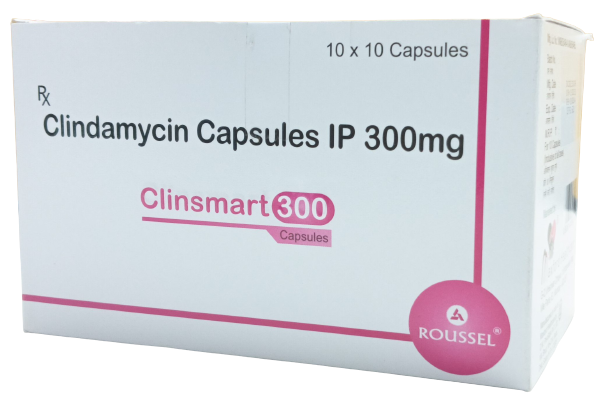
Clindamycin 300 mg: Uses, Side Effects and Safety Guide
Clindamycin 300 mg is a prescription antibiotic used to treat certain bacterial infections when the bacteria are susceptible to this medicine. It belongs to a group of antibiotics called lincosamides and may be prescribed for selected dental, skin, soft-tissue or other serious infections. The right antibiotic depends on the infection, the likely bacteria, allergies and the person’s medical history.
This page provides general educational information about clindamycin 300 mg capsules. It is not a substitute for the patient leaflet supplied with your medicine or advice from your prescriber or pharmacist. Clindamycin is not suitable for every infection and should not be taken without a prescription.
What Is Clindamycin 300 mg?
Clindamycin is an antibacterial medicine that works by interfering with bacterial protein production, which helps stop susceptible bacteria from growing. The “300 mg” describes the amount of clindamycin in each capsule; it does not establish the correct dose or schedule for every person or infection.
Antibiotics do not treat viral illnesses such as the common cold or flu. Taking an antibiotic when it is not needed can cause side effects and contribute to antimicrobial resistance. A clinician decides whether clindamycin is appropriate after considering the suspected infection and relevant guidance.
What Is Clindamycin 300 mg Used For?
Depending on the product and the clinical situation, clindamycin may be prescribed for certain bacterial infections, including:
- Some dental infections, when a clinician considers it appropriate.
- Selected skin and soft-tissue infections.
- Some infections caused by anaerobic bacteria, including certain infections inside the abdomen.
- Other serious infections caused by bacteria known or suspected to be susceptible to clindamycin.
Approved uses can vary by product licence, and clindamycin is not the first choice for every infection. For some infections, another antibiotic or a procedure such as dental drainage may be needed. Do not use leftover capsules to treat a new problem or share your prescription with another person.
How Does Clindamycin Work?
Clindamycin acts on bacterial ribosomes, the structures bacteria use to make proteins. By interfering with protein synthesis, it inhibits the growth of susceptible bacteria. Its effect depends on the bacteria involved and whether they are sensitive to the medicine.
Not every bacterium responds to clindamycin. If symptoms do not improve, become worse or return, contact the prescriber rather than increasing the dose or extending the course yourself.
How to Take Clindamycin 300 mg Capsules
Follow the directions on your dispensing label and the patient information leaflet. The prescribed dose and duration depend on the infection and individual circumstances, so the strength alone cannot tell you how often to take it.
- Swallow capsules whole with a full glass of water.
- Remain sitting or standing and do not lie down for at least 30 minutes after taking a capsule, to reduce the risk of irritation or injury to the food pipe.
- Food generally does not significantly affect absorption, but follow the instructions for your specific product.
- Take the medicine for the prescribed duration. Do not change the dose, stop early or extend treatment without speaking to your prescriber.
- If you miss a dose, check your leaflet or ask a pharmacist. Do not take a double dose to make up for a missed one.
Possible Side Effects of Clindamycin
Like all medicines, clindamycin can cause side effects, although not everyone experiences them. Some are relatively mild, while others need prompt assessment.
Side effects that may occur
- Nausea or vomiting.
- Abdominal discomfort or cramps.
- Diarrhoea.
- Skin rash or itching.
- An unpleasant or altered taste may occur with some formulations.
Tell your doctor or pharmacist if a side effect is troublesome, persists or concerns you. Do not assume that diarrhoea is harmless simply because it began after starting an antibiotic.
Serious Side Effects: When to Seek Help
Seek urgent medical advice if you develop severe, prolonged or bloody diarrhoea, particularly if accompanied by abdominal pain or fever. Antibiotic-associated bowel inflammation, including infection with Clostridioides difficile (C. difficile), can occur during treatment or after the course has ended.
Call 999 or go to A&E if you have signs of a severe allergic reaction, such as difficulty breathing, swelling of the face, lips, tongue or throat, or a rapidly developing severe reaction. A severe rash with blistering, peeling skin or sores in the mouth or eyes also needs emergency assessment.
Rarely, kidney problems or liver abnormalities can occur. Seek prompt medical advice for symptoms such as markedly reduced urination, new swelling, yellowing of the skin or eyes, or unusual severe tiredness. These symptoms can have other causes, but should be assessed.
Who Should Speak to a Clinician Before Taking It?
Before starting clindamycin, tell your prescriber or pharmacist if you:
- Have had an allergic reaction to clindamycin, lincomycin or any ingredient in the product.
- Have current diarrhoea, a history of colitis or other significant bowel disease, or previous antibiotic-associated bowel inflammation.
- Have liver or kidney problems.
- Are pregnant, planning a pregnancy or breastfeeding.
- Take several medicines, including blood-thinning treatment or medicines that affect muscle relaxation.
- Have been told you have an intolerance to certain sugars, as some capsules contain lactose.
Your clinician can assess the risks, decide whether another antibiotic is more suitable and determine whether any monitoring is needed.
Clindamycin and Other Medicines
Give your doctor or pharmacist a complete list of prescription medicines, over-the-counter products and supplements. Important interactions can include:
- Warfarin and similar vitamin K antagonist anticoagulants: clotting tests such as INR may need closer monitoring because bleeding risk can change.
- Some muscle relaxants: clindamycin may enhance the effects of medicines used to relax muscles, including in surgical settings.
- Some antibiotics and medicines that affect drug-metabolising enzymes: these may alter clindamycin’s effects or increase the risk of an interaction.
This is not a complete interaction list. Do not stop a prescribed medicine or change its dose on your own; ask a healthcare professional to review the combination.
Pregnancy and Breastfeeding
If you are pregnant, might be pregnant or are breastfeeding, tell your prescriber before using clindamycin. They can weigh the need to treat the infection against possible risks and consider the most appropriate option. Clindamycin may pass into breast milk; seek advice if a breastfed baby develops diarrhoea, blood in the stool, a rash or other concerning symptoms.
What If Clindamycin Does Not Seem to Be Working?
Some infections take time to improve, but you should contact your prescriber if symptoms worsen, new symptoms appear or you are not improving within the timeframe you were given. A different diagnosis, resistant bacteria, a complication or the need for a procedure may explain why treatment is not helping.
Do not take extra capsules, use another person’s antibiotics or restart an old course. For a dental infection with facial or neck swelling, difficulty opening the mouth or fever, seek urgent dental or medical assessment. Difficulty breathing or swallowing is an emergency.
Antibiotic Resistance and Responsible Use
Antibiotic resistance occurs when bacteria evolve so that medicines become less effective against them. You can help reduce unnecessary antibiotic use by taking clindamycin only when prescribed for you, following the instructions, and not saving or sharing leftover capsules. Return unused medicine to a pharmacy for safe disposal rather than flushing it down the toilet or putting it in household rubbish.
Frequently Asked Questions
Is clindamycin 300 mg a strong antibiotic?
It is an antibiotic used for certain bacterial infections, including some serious infections. Whether it is appropriate depends on the bacteria and infection being treated, not just the capsule strength.
Can clindamycin treat a viral infection?
No. Antibiotics such as clindamycin do not treat viruses that cause colds or flu. A healthcare professional should assess whether an infection is likely to be bacterial and whether an antibiotic is needed.
Can I take clindamycin with food?
Food generally does not significantly change absorption of clindamycin capsules, but swallow each capsule with a full glass of water and remain upright for at least 30 minutes. Follow the leaflet supplied with your own product.
What should I do if I develop diarrhoea?
Contact a healthcare professional urgently if diarrhoea is severe, persistent or bloody, even if the antibiotic course has finished. Do not take medicine to stop diarrhoea without medical advice.
Can I stop taking clindamycin once I feel better?
Follow the course and instructions given by your prescriber. Do not stop, extend or alter treatment on your own. If you develop a serious side effect, seek urgent advice about what to do next.
Can I share clindamycin with someone who has similar symptoms?
No. It is prescribed for a specific person and infection. Another person may need a different treatment or could be harmed by taking it.
Reliable Sources and Further Reading
- Clindamycin 300 mg capsules: UK patient information leaflet
- NHS: C. difficile infection
- NHS: Antibiotics — how to take them safely
Final Thoughts
Clindamycin 300 mg can be useful for selected bacterial infections when prescribed appropriately. Safe use means following the pharmacy label, swallowing capsules with plenty of water, checking possible interactions and recognising warning signs—especially severe or bloody diarrhoea. For advice specific to your infection, other medicines or medical history, speak with your prescriber or pharmacist.
Medical information note: This article is for general education and does not replace a clinician’s assessment, the current patient leaflet or the instructions on your prescription.



Reviews
There are no reviews yet.