
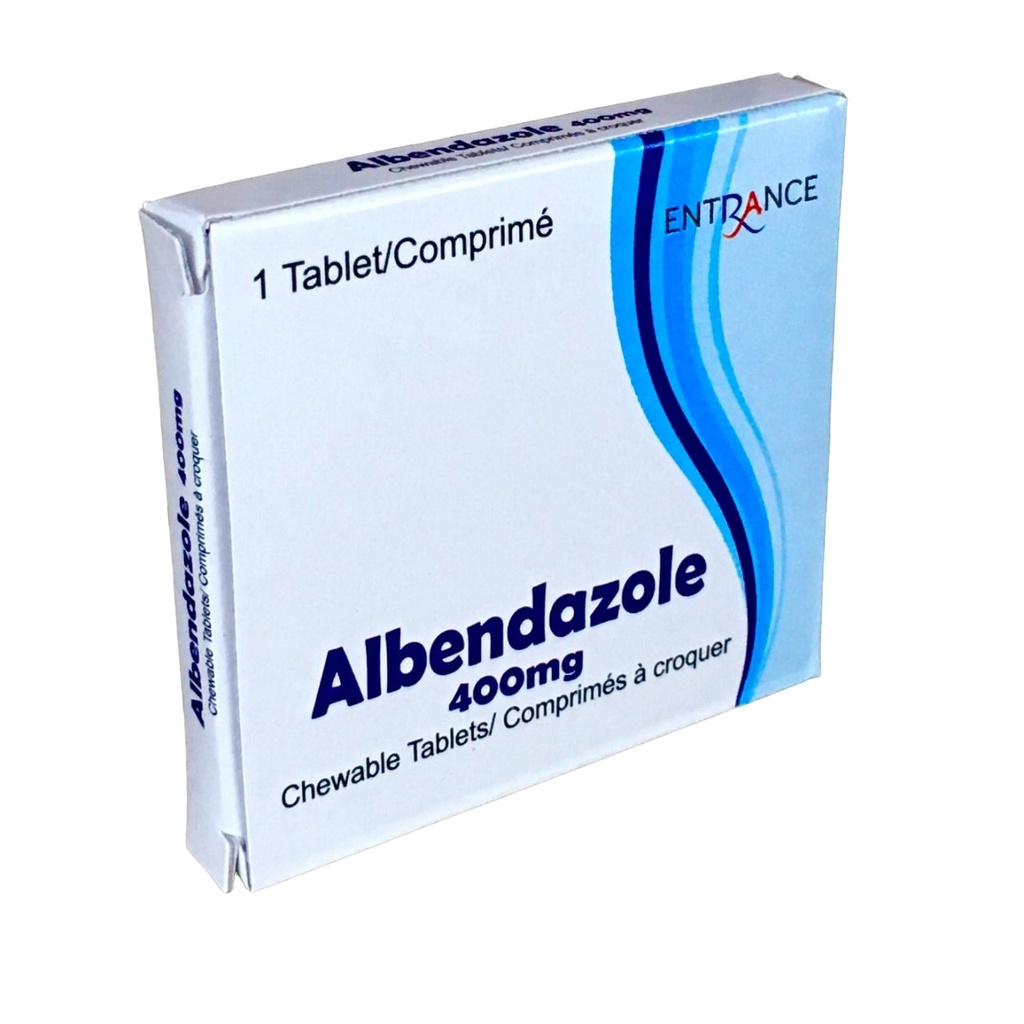
Albendazole 400 mg: Uses, Side Effects and Safety Guide
Albendazole 400 mg is an antiparasitic medicine used to treat certain infections caused by parasitic worms. It belongs to a group of medicines called anthelmintics and works by interfering with processes parasites need to survive. The type of infection, the patient’s age and health, and the product instructions determine which treatment plan is appropriate.
1. What Is Albendazole 400 mg?
Albendazole is a medicine that treats certain infections caused by parasitic worms. These organisms can live in the intestine or, in some conditions, affect tissues elsewhere in the body. Albendazole is used in a range of settings, but the appropriate treatment depends on identifying or strongly suspecting the parasite involved.
The 400 mg designation refers to the amount of active ingredient in a tablet. It does not automatically mean that every person should take one tablet, take it once, or repeat it after a set interval. Some infections are treated with short regimens, while other parasitic conditions require longer specialist treatment and medical monitoring.
In the UK, product availability and the authorised instructions should be checked with a pharmacist or prescriber. The product leaflet supplied with the medicine is important because instructions can differ according to the formulation and approved use.
2. What Is Albendazole Used For?
Albendazole acts against certain worms and other susceptible parasites. Its recognised uses vary by country and product authorisation. It may be used for selected intestinal worm infections and, under specialist care, certain infections involving tissues.
Roundworm infections
Albendazole may be used for selected infections caused by roundworms, depending on the species and applicable treatment guidance.
Hookworm infections
Certain hookworm infections may be treated with albendazole when the medicine is appropriate for the infection and patient.
Whipworm infections
Some infections caused by whipworms may respond to albendazole. The treatment plan depends on the diagnosis and local guidance.
Selected tapeworm-related diseases
Albendazole is used in specialist regimens for certain tissue infections, including some forms of echinococcosis and neurocysticercosis.
The examples above are not a recommendation to self-diagnose or select a dose. Some parasites need different medicines, additional treatment or specialist investigations. A clinician can decide which medicine is appropriate after considering symptoms, travel history, exposure risks and test results.
3. How Does Albendazole Work?
Albendazole interferes with the formation and function of structures parasites need to absorb nutrients and maintain their cells. This disrupts their ability to survive and reproduce, helping the body clear the infection.
The effect depends on the type of parasite and where it is located. A medicine that is suitable for one intestinal worm may not be the right treatment for a different parasite or for symptoms that have another cause.
Infections involving tissues or the nervous system can be more complicated than intestinal infections. When albendazole is used for these conditions, clinicians may arrange additional medicines, blood tests, imaging or other monitoring based on the diagnosis.
4. Understanding the 400 mg Strength
Albendazole 400 mg identifies a tablet containing 400 milligrams of the active ingredient. It is a commonly recognised strength internationally, but the appropriate regimen varies significantly between infections.
For some intestinal worm infections, treatment may involve a short course. Other conditions may need treatment over a longer period, specialist supervision and regular laboratory monitoring. Age, weight, pregnancy status, liver health and other clinical factors can affect the decision.
5. How Should Albendazole Be Taken?
Follow the instructions provided by your prescriber and the patient leaflet supplied with your medicine. The correct method of administration can depend on the condition being treated and the specific product.
- Use albendazole only when it has been recommended or prescribed for your situation.
- Follow the stated dose, timing and treatment duration.
- Check the leaflet for instructions on whether to take the tablet with food.
- Do not crush, chew or split a tablet unless the product instructions or a healthcare professional say this is suitable.
- Do not repeat a course because symptoms continue without obtaining medical advice.
- Ask a pharmacist if the label is unclear or if you are unsure how to take the medicine.
Instructions for intestinal infections may differ from those for tissue infections. Do not apply a regimen you have seen for one parasite to another suspected infection.
If you miss a dose during a prescribed course, check the leaflet or contact a pharmacist or prescriber. Do not take extra tablets to make up for a missed dose unless a healthcare professional specifically instructs you to do so.
If you accidentally take more than prescribed, seek advice from NHS 111 or a healthcare professional. Keep the medicine packaging available so that the product and strength can be identified.
6. What to Know Before Starting Treatment
Before recommending albendazole, a healthcare professional will consider the suspected parasite, your symptoms, your medical history and the likely benefits and risks of treatment.
Tell the clinician if you:
- Are pregnant, might be pregnant or are planning a pregnancy.
- Are breastfeeding.
- Have liver disease or have previously had abnormal liver blood tests.
- Have a blood disorder or a history of problems with blood-cell counts.
- Take prescription medicines, non-prescription products or herbal supplements.
- Have had an allergic reaction to albendazole or a related medicine.
- Have symptoms such as severe abdominal pain, persistent vomiting, blood in your stool or unexplained weight loss.
Some of these factors may change the treatment choice or the monitoring required. Do not withhold relevant information because you think it is unrelated to a suspected worm infection.
7. Common Side Effects
Albendazole can cause side effects, although not everyone experiences them. The likelihood may depend on the treatment duration, the condition being treated and the individual’s health.
Stomach discomfort
Abdominal pain or discomfort can occur. Mild symptoms may settle, but severe or persistent pain should be assessed rather than automatically attributed to the medicine or the underlying infection.
Nausea and vomiting
Some people feel sick or vomit during treatment. Seek medical advice if vomiting continues, you cannot keep fluids down or you develop signs of dehydration.
Headache
Headache can occur during treatment. A severe or persistent headache, particularly with visual changes, confusion, vomiting or other neurological symptoms, needs urgent assessment.
Dizziness
If you feel dizzy or unwell, take care with activities that require concentration and coordination. Seek advice if the symptom is severe or does not settle.
Changes in liver blood tests
Albendazole can increase liver enzymes. This may be detected through blood tests before obvious symptoms occur, especially during longer treatment courses.
Ask a pharmacist or clinician for advice if side effects become troublesome. Do not add another medicine to manage symptoms without checking that it is suitable for you.
8. Serious Side Effects and Warning Signs
Serious reactions are uncommon, but some can require prompt medical attention. Risk and monitoring needs differ between short courses and prolonged treatment for complex infections.
- Possible liver injury: Yellowing of the skin or eyes, dark urine, pale stools, significant upper abdominal pain or unusual persistent tiredness should be assessed promptly.
- Blood-cell problems: Unexplained fever, recurrent infections, unusual bruising, bleeding or marked weakness need medical assessment, particularly during prolonged treatment.
- Severe allergic reaction: Swelling of the face, lips, tongue or throat, or difficulty breathing, requires emergency help. Call 999 if breathing is affected.
- Severe skin reaction: A widespread rash with blistering, peeling or sores in the mouth or eyes requires urgent assessment.
- Neurological symptoms: Severe headache, seizures, confusion, weakness or changes in vision require urgent medical assessment, especially in people being treated for suspected tissue or nervous-system parasitic disease.
In some tissue infections, inflammation caused by the death of parasites can itself lead to serious symptoms. This is one reason these conditions need specialist assessment rather than self-treatment.
If symptoms are life-threatening, call 999. For urgent concerns that are not immediately life-threatening, contact NHS 111 or another appropriate healthcare service.
9. Pregnancy and Breastfeeding
If you could become pregnant, tell the prescriber before starting treatment. Depending on the product information and treatment plan, pregnancy testing and contraception advice may be needed. Follow the instructions for the specific medicine rather than relying on a general online dosing guide.
If you discover that you are pregnant while taking albendazole, contact your healthcare professional promptly for advice. Do not make further treatment decisions based only on general information.
If you are breastfeeding, consult a prescriber or pharmacist before taking albendazole. Recommendations can depend on the dose, duration, product information and the infant’s circumstances.
For general UK guidance, see the
MHRA information on medicines during pregnancy and breastfeeding.
10. Liver Health and Blood-Test Monitoring
Albendazole is processed by the liver. It can raise liver enzymes and, rarely, cause more serious liver problems. People with existing liver disease may need additional assessment before treatment.
During longer or repeated treatment, clinicians may order liver-function tests and blood counts before and at intervals during therapy. This is important because albendazole can also affect blood-cell production in some patients.
The exact monitoring schedule depends on the condition, the prescribed regimen and the product information. Do not assume that monitoring needed for a prolonged specialist course is also necessary for every short course—or that monitoring can be skipped when it has been recommended.
Report yellowing of the eyes or skin, dark urine, unusual bruising, recurrent infections or severe unexplained tiredness promptly. These symptoms may have causes other than albendazole but still need assessment.
11. Drug Interactions
Some medicines can affect albendazole or its active metabolite, potentially changing treatment exposure or side-effect risk. The significance depends on the medicine and the treatment regimen.
Tell your prescriber or pharmacist about all medicines and supplements you use, including medicines taken only occasionally. Certain medicines used for seizures, stomach acid or other conditions may be relevant to the interaction review.
Do not stop a prescribed medicine or change its dose simply because you have been given albendazole. The healthcare professional managing your care can decide whether an adjustment, alternative treatment or additional monitoring is needed.
12. Does Albendazole Work for Every Worm Infection?
No. Different parasites respond to different medicines, and some infections require more than one treatment or a longer specialist regimen. Symptoms alone may not identify the parasite accurately.
Itching, abdominal discomfort, diarrhoea or changes in bowel habits can have many causes. Depending on the circumstances, a clinician may recommend stool testing, blood tests, imaging or other investigations before deciding on treatment.
If symptoms continue after treatment, do not automatically repeat albendazole. The diagnosis may need to be reviewed, reinfection may be possible, or a different treatment may be required.
13. Hygiene and Reducing the Risk of Reinfection
For some intestinal worm infections, hygiene measures can help reduce the chance of reinfection or transmission. The right steps depend on the parasite involved, so follow the advice provided by your healthcare professional.
- Wash your hands thoroughly after using the toilet and before preparing or eating food.
- Keep fingernails clean and avoid biting them.
- Wash fruit and vegetables carefully and follow safe food-preparation practices.
- Use safe drinking water and appropriate sanitation when travelling.
- Follow travel-health advice for the area visited and the suspected infection.
- Ask a clinician whether household members or close contacts need assessment or treatment for a confirmed infection.
Hygiene measures support prevention but do not replace appropriate medical treatment when an infection requires it.
14. What If Symptoms Do Not Improve?
The expected response depends on the parasite and the treatment regimen. Some infections respond to a short course, while complex tissue infections may require longer treatment and follow-up investigations.
Contact your healthcare professional if symptoms worsen, persist beyond the expected timeframe or return after treatment. Seek urgent care for severe abdominal pain, persistent vomiting, neurological symptoms, significant bleeding or other serious warning signs.
Do not increase the dose, repeat treatment or use a different antiparasitic medicine without advice. A clinician can assess whether further tests or a different treatment approach is needed.
15. Storage and Disposal
Keep albendazole in its original packaging and follow the storage instructions on the product leaflet. Keep it out of the sight and reach of children and do not use tablets after the expiry date.
Return unused medicine to a pharmacy for safe disposal. Do not give your tablets to someone else, even if they report similar symptoms, because the cause of their illness and the appropriate treatment may be different.
16. Frequently Asked Questions
What is albendazole 400 mg used for?
Albendazole is used to treat certain parasitic worm infections. The appropriate use depends on the parasite, the patient’s circumstances and the product’s approved information.
Does albendazole 400 mg treat all types of worms?
No. Different parasites may need different medicines or treatment plans. A healthcare professional can assess the likely infection and decide which treatment is suitable.
Is 400 mg the correct dose for everyone?
No. The strength printed on the tablet does not establish the correct dose or duration. Follow the prescription and the leaflet for your exact product.
Can I take albendazole without a diagnosis?
Do not self-treat suspected parasitic infection based only on symptoms. Similar symptoms can have many causes, and the appropriate medicine depends on the parasite involved.
What are common side effects of albendazole?
Possible side effects include abdominal discomfort, nausea, vomiting and headache. Changes in liver enzymes can also occur. Seek advice if symptoms are severe or persistent.
Can albendazole affect the liver?
Yes. Albendazole can increase liver enzymes and has been associated with liver injury. People receiving longer treatment may need liver-function tests and other monitoring.
Can I take albendazole during pregnancy?
Do not take it during pregnancy or when pregnancy is possible without medical assessment. Product information warns about potential risks to the developing baby, and a clinician must assess the circumstances.
Can I take albendazole while breastfeeding?
Ask a prescriber or pharmacist before using it while breastfeeding. Advice depends on the product, treatment regimen and individual circumstances.
What should I do if I miss a dose?
Check your medicine leaflet or ask a pharmacist. Do not double the next dose or take extra tablets unless a healthcare professional specifically instructs you to.
What if symptoms continue after treatment?
Contact your healthcare professional. The diagnosis may need to be reviewed, and further tests or another treatment may be necessary. Do not repeat the course yourself.
Can albendazole be used for long-term treatment?
Some complex parasitic diseases may require prolonged treatment under specialist supervision. Longer courses may require regular blood counts and liver-function tests.
17. Trusted Sources and Further Reading
- Albendazole 400 mg chewable tablets: Patient leaflet — product-specific instructions, precautions and side effects.
- Albendazole 400 mg: Summary of Product Characteristics — professional information on indications, contraindications, monitoring and interactions.
- MHRA: Find product information about medicines — information about authorised UK medicine leaflets and product characteristics.
- MHRA: Medicines in pregnancy and breastfeeding — general UK guidance for discussing medicine use during pregnancy or breastfeeding.
18. Final Thoughts
Albendazole 400 mg is an antiparasitic medicine used for certain worm infections, but the right treatment depends on the organism involved and the patient’s medical circumstances. A tablet strength should never be treated as a universal dosing instruction.
Use albendazole only as directed by a qualified healthcare professional. Discuss pregnancy, breastfeeding, liver problems and other medicines before starting treatment, and attend any recommended monitoring appointments. Seek medical advice if symptoms persist or if you experience a concerning reaction.
Medical information notice: This article is for educational purposes only and does not replace a diagnosis, prescription, product leaflet or advice from a qualified healthcare professional. Product availability and approved instructions may vary. Always follow the directions supplied with your medicine.



Reviews
There are no reviews yet.