
Buy Generic Oxycontin Online
Showing 1–12 of 14 resultsSorted by popularity
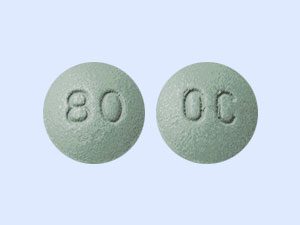
Generic Oxycontin OC 80 mg
Price range: $579.00 through $1,547.00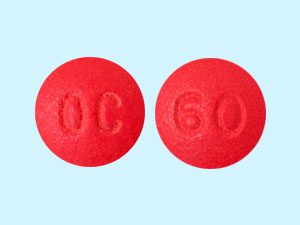
Generic Oxycontin OC 60 mg
Price range: $572.00 through $1,541.00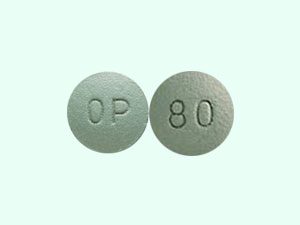
Generic Oxycontin OP 80 mg
Price range: $579.00 through $1,547.00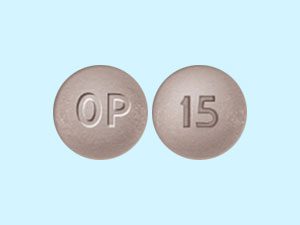
Generic Oxycontin OP 15 mg
Price range: $538.00 through $1,523.00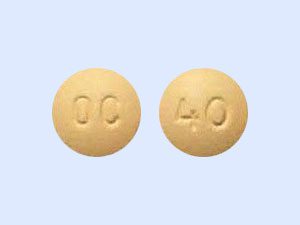
Generic Oxycontin OC 40 mg
Price range: $562.00 through $1,529.00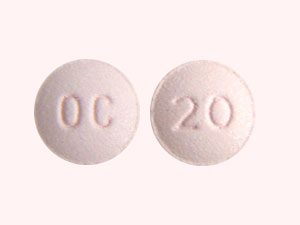
Generic Oxycontin OC 20 mg
Price range: $548.00 through $1,519.00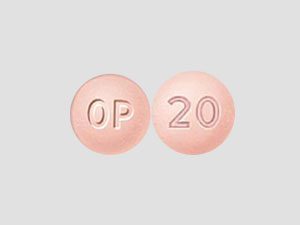
Generic Oxycontin OP 20 mg
Price range: $548.00 through $1,519.00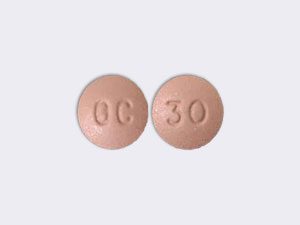
Generic Oxycontin OC 30 mg
Price range: $558.00 through $1,524.00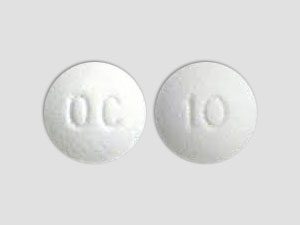
Generic Oxycontin OC 10 mg
Price range: $538.00 through $1,514.00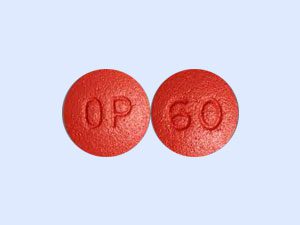
Generic Oxycontin OP 60 mg
Price range: $572.00 through $1,541.00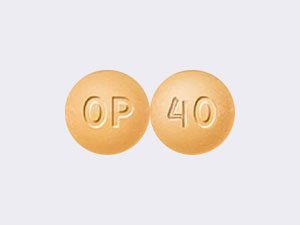
Generic Oxycontin OP 40 mg
Price range: $562.00 through $1,529.00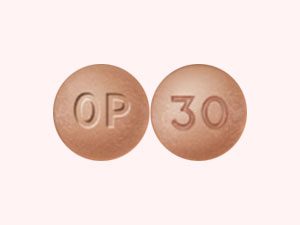
Generic Oxycontin OP 30 mg
Price range: $558.00 through $1,524.00OxyContin is a widely prescribed extended-release form of Oxycodone, which manages moderate to severe chronic pain, especially when around-the-clock relief is needed. It provides long-lasting relief for individuals with ongoing pain conditions. If you are looking to buy OxyContin online, you have come right place. You will find our wide selection of OxyContin dosage- 10mg, 20mg, 40mg, and 80mg tablets. Our platform ensures you get authentic, high-quality OxyContin with discreet and secure delivery. Whether you are managing ongoing pain or seeking a reliable treatment option, we provide a convenient and safe online experience under medical supervision.
Before Buying OxyContin Online, Ensure Its Benefits and Risks
What Is OxyContin? And Its Use
OxyContin is a brand name of a controlled-release form of Oxycodone, which belongs to a class of drugs known as opioid analgesics. It works by changing how the brain and nervous system respond to pain. The drug is prescribed when pain is long-lasting, requiring around-the-clock treatment. Especially when other medication is not controlled well. The Primary Common Use Of OxyContin is chronic pain management (cancer-related pain, post-surgical pain, severe arthritis or back pain, and injury-related nerve pain), and palliative care.
Mechanism Of Action: How OxyContin Works
OxyContin works on the central nervous system (CNS) to alter the perception of and response to pain, and its active ingredient’s Oxycodone, binds the Mu, kappa, and delta-opioid receptors. These receptors are found in the brain, spinal cord, and nerves and are responsible for regulating pain, mood, and stress responses. After binding these receptors, they block pain signals from the body to the brain. The drug is an extended-release form that is designed to slowly release the drug over 12 hours and provides pain relief without frequent dosing.
General Dosage of OxyContin For Pain
Patients switching from other narcotic medicines:
- Adults: one tablet every 12 hours. Your doctor will calculate the total milligrams per day based on the type of narcotic you take. Two separate doses will be administered throughout the day to make up the daily total.
- Children (11 years of age and older): It is up to your doctor to decide on the dosage. Before taking an OxyContin prescription, the patient has to be taking and tolerating opioids for at least five days in a row, with at least 20 mg of oxycodone or its equivalent per day for at least two days.
Patients who are not taking narcotic medicines:
- Adults—at first, 10 mg every 12 hours. Your doctor may adjust your dose as needed.
- Older adults—first, 3 to 5 mg every 12 hours. Your doctor may adjust your dose as needed.
Safety Usage Guideline
OxyContin is an extended-release form of Oxycodone that is more addictive than the immediate-release form. It must buy OxyContin with a valid prescription and use it exactly a prescribed. Make sure to use OxyContin with the safety guidelines and potential risks of side effects.
- Take exactly the dose as prescribed by the doctor and never share the dose with anyone who might cause dangerous health issues.
- Do not crush, chew, or break the tablet (OxyContin); swallow it whole to maintain the extended-release function.
- Take it at a 12-hour interval, or don’t take extra doses to make up for a missed one. If you miss a dose, and it’s almost time for the next one, skip the missed dose.
- Do not mix alcohol or use sedatives, sleep aids, or other opioids with OxyContin that cause dangerous respiratory depression or death.
- Never suddenly stop or change the dose lead to physical dependence and withdrawal symptoms.
- Do regular checkups on your breathing, pain control, and signs of misuse during treatment, and the doctor monitors your overall health.
Side effects of OxyContin
At the beginning of its use, OxyContin can have several common side effects; however, these side effects may lessen as time goes on. Please notify your pharmacist or doctor right away if any of these side effects persist or worsen. Some side effects of OxyContin are as follows: drowsiness, headache, dizziness, tiredness, constipation, stomach pain, nausea, and vomiting.
On the other hand, misuse, addiction, and sudden withdrawal are the only ways that certain OxyContin side effects can occur. Without prompt medical intervention, these effects might worsen and occasionally even result in death. They can be extremely dangerous. Some of these effects are:
- Allergic reactions, including face, lip, or tongue swelling, hives, rash, and itching
- Breathing problems
- Confusion
- Experiencing dizziness or faintness, which could result in falling
- Difficulty urinating or variations in the volume of urine produced
- Unusual exhaustion or weakness
Overdose & Withdrawal Symptoms Of OxyContin
OxyContin is a potent opioid that carries both overdose and withdrawal dangerous side effects, and requires immediate attention. An overdose can occur from taking too much OxyContin or combining it with other depressants, which can lead to serious health issues. Signs of OxyContin overdose include severe breathing issues, extreme drowsiness, pinpoint pupils, cold, clammy skin, slow heart rate or low blood pressure, and coma.
Withdrawal symptoms happen when a person takes OxyContin for a longer time and stops or increases the dose suddenly. It is life-threatening when becomes starts 6 to 30 hours after the last dose. Notify the following symptoms, then immediately consult with the healthcare provider. If you try to stop or decrease the dose, then make sure to contact the doctor, as they will gradually decrease the dose when completely stopping the dose.
Physical/ Psychological Withdrawal Symptoms:
- Muscle aches and joint pain
- Nausea, vomiting, or diarrhea
- Sweating or chills
- Runny nose and teary eyes
- Insomnia
- Yawning
- Goosebumps
- Anxiety
- Irritability or agitation
- Depression
- Cravings for the drug
Warnings and Precautions to follow while taking OxyContin
- Even with the recommended dosage, the OxyContin pill has the potential to become habit-forming. There is a chance for misuse and addiction, which can result in overdosing and fatalities. In order to reduce this risk, your physician should begin with the lowest dose, raise it gradually, and closely watch your behavior.
- When taking OxyContin for the first time or after increasing the dosage, you may have severe respiratory side effects. Before purchasing OxyContin online, let your doctor know if you have ever experienced any severe breathing issues, such as asthma, sleep apnea, etc.
- Some of the inactive ingredients in OxyContin may trigger allergic responses. If you have any additional sensitivities or are allergic to opioids in general, let your doctor know before OxyContin online purchase.
- Individuals who suffer from specific medical conditions, such as respiratory disorders, head trauma, drug or alcohol addiction, lung, liver, kidney, thyroid, or adrenal disease, trouble urinating, or gallbladder issues, are advised to avoid ordering OxyContin online.
- Never give away your prescription to anyone, especially if they have a history of drug addiction or misuse. There’s a chance that your recommended dosage won’t work for someone else and might have fatal consequences. It is illegal to resell or distribute OxyContin drugs without authorization.
- The adverse effects of this medication, including disorientation, dizziness, sleepiness, and slow/shallow breathing, are more common among older adults 65 years of age and older. They are only given a prescription for it after a routine exam makes it necessary.
Drug Interaction
The healthcare provider must take advice to avoid some medications or substances that interact with OxyContin, which can cause a risk of serious side effects, including respiratory depression, sedation, overdose, or even death. Thus, ensure that before taking OxyContin, inform the doctor already taking the following medications.
Major interactionMedication:
- Benzodiazepines (Xanax, Valium, Ativan)
- Sleep medications (zolpidem / Ambien)
- Muscle relaxants (carisoprodol (Soma), cyclobenzaprine)
- Other opioids (Hydrocodone, fentanyl, Methadone)
- Antipsychotics (quetiapine, olanzapine)
- Barbiturates (phenobarbital)
- Serotonergic Drugs (Tramadol, Linezolid, Lithium)
Storage And Disposal Guideline
OxyContin is effective for long-term pain, but it carries some risk of addiction, dependence; thus, it’s important to use, store, and dispose safely. Store OxyContin in its original container at room temperature and avoid excessive heat, moisture, or direct sunlight. Keep the medication out of reach of children and pets.
Disposal is very important, like a store. If any expiry OxyContin is at your home, immediately dispose of it, use the authorized drug take-back program, or the drop-off site’s service. If drug take-back is not available in your location, then simply mix the OxyContin with undesirable substances like coffee, dirt, or cat litter and seal the mixture in a plastic bag and container. Throw the sealed container in the household trash carefully.
Alternatives to OxyContin
Alternative medicines that relieve pain in a manner comparable to OxyContin are also on the market. If OxyContin is not working, by talking to your doctor, you can try some different options. Recognized substitutes include:
- Gabapentin
- Ibuprofen
- Acetaminophen
- Tylenol
Frequently Asked Questions
Oxycodone vs. OxyContin – What’s the difference?
The primary distinction between oxycodone and OxyContin is that the former is a long-acting version of the latter. With just two daily doses required, OxyContin delivers oxycodone gradually and consistently over 12 hours. Since oxycodone has a short half-life and lasts for four to six hours, it must be used four to six times daily to offer pain relief for the entire day.
Is OxyContin a physical or psychological addiction?
OxyContin addiction may be psychological as well as physical. Even if used as directed, this medication can lead to both physical and emotional dependency and addiction. A person may undergo behavioral changes and withdrawal symptoms if they abruptly stop using OxyContin, which might encourage them to keep taking it. Get help from our medical specialists if you have any concerns.
OxyContin vs. morphine sulfate: What is the difference?
If used continuously, OxyContin can become habit-forming and be used to treat moderate to severe pain. You don’t need to use morphine sulfate regularly to achieve long-term, effective pain relief. Although constipation is frequently the result, it is advised for persistent discomfort. Yet, research indicates that morphine sulfate is less effective as an analgesic than OxyContin.
What kind of narcotic is OxyContin?
An opioid painkiller is OxyContin. It is a time-released medication with 10–80 mg of oxycodone that provides pain relief for up to 12 hours. For people who require constant relief from moderate to severe pain, it is advised. If you are experiencing painful issues, don’t hesitate to contact our skilled specialists.
How addictive is smoking OxyContin?
For the relief of severe pain, oxycodone tablets are recommended. Addiction may result from using it for purposes other than medical. A popular method of drug misuse is smoking OxyContin. A quicker delivery of the chemical to the brain occurs when the pill is crushed into a powder and then smoked, providing the user with an immediate high.
Is OxyContin still on the market?
Yes, OxyContin is still on the market, but only in its reformulated (OxyContin ER), abuse-deterrent, extended-release form of Oxycodone—and under much stricter regulation. It comes from different dosages like OC 60 mg, OC 80 mg, OP 10mg, and OP 15 mg.
How long does OxyContin stay in your system?
OxyContin contains Oxycodone, that long-acting opioid, and its effects depend on dose, duration of use, metabolism, age, and other factors. Its half-life is approximately 4.5 to 6 hours. Totally Clear from the body takes up to 24 to 48 hours, but some drug tests can detect it for much longer, like urine test (1-4 days), Blood test (up to 24 hours), Saliva test (1-2 days), and Hair test (up to 90 days)
Is Oxycodone the same as OxyContin?
Oxycodone and OxyContin are not the same thing, but they are related. Oxycodone is a semi-synthetic opioid drug that treats moderate to severe pain, while OxyContin is an extended-release version of Oxycodone that is designed for 12-hour pain control in chronic or long-term pain cases.
Why Buy OxyContin from Us?
When it comes to purchasing OxyContin, trust, safety, and reliability are important. Our platform provides a verified and licensed pharmacy, and all medications are sourced from reputable manufacturers and dispensed under the supervision of licensed pharmacists. On our website, you can get a user-friendly interface, and payment information makes it easy to get the OxyContin online process. Every prescription is reviewed and approved by licensed medical professionals to ensure appropriate use, safety, and compliance with medical guidelines. Our friendly and knowledgeable support team is available to assist you with orders, prescriptions, or any questions about your medication before, during, and after purchase.