

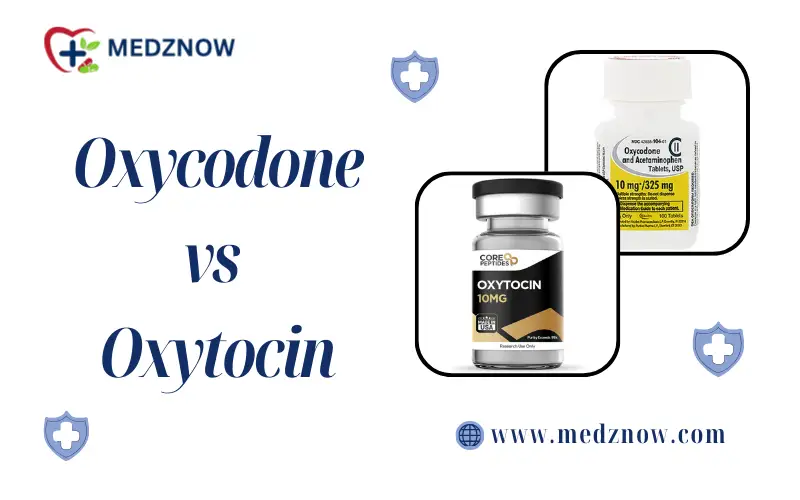
At first sight, Oxycodone and Oxytocin almost sound similar to anyone, but they are two entirely different things. Oxycodone is a powerful and strong sedative painkiller which is used to treat severe and moderate pain, and Oxytocin is a natural hormone called as the love hormone, helpful for creating trust and love. Understanding the difference between Oxycodone vs Oxytocin is very crucial, especially when you are reading health tips online. So, in today’s blog, we will understand how vastly Oxycodone and Oxytocin are apart from each other, and how they are effective in the human body. Let’s get started.
Oxycodone vs Oxytocin: Understanding The Differences, Side Effects, & Alternatives
What is Oxycodone?
Oxycodone is a painkiller used when no other painkiller responds to the patient’s health condition. It falls under the group of medicines called opioid analgesics. It falls under the category of a Schedule II drug because if it is used for a long time or is misused, then it can cause physical dependence. It helps to change the way the brain perceives pain signals. It is notable that this medicine should not be used for a pain that has happened only once or once in a while. Conditions in which you must avoid Oxycodone;
- Sleep apnea
- Lung diseases
- Thyroid
- Brain injury
- Tumor
- Seizure
- Gallbladder-related health issue
- Damaged Kidney or liver
- Adrenal diseases
What is Oxytocin?
Oxytocin is a natural hormone that is produced in the body, but it is also available in synthetic drug formulations like injectables. It is only available by prescription. It is used in hospital settings under high medical supervision. It is used to induce uterine contractions during childbirth or bleeding after childbirth. It is also helpful for increasing milk flow in breastfeeding women. It is also called as the love drug because it helps to strengthen the bond between the mother and child, and social bonding. Tell your doctor if you have;
- Cancer in the Cervix
- Uterus Infection
- Small pelvis
- Hypertension
- Heart Problem
- Genital herpes
- Cervix surgery
- Uterus operation
What is The Difference Between Oxycodone and Oxytocin?
Oxycodone and Oxytocin are two entirely different drugs. To understand the vast area of difference, let’s look below at the explanation.
Mechanism of Action:
- Oxycodone: It is a central nervous system depressant, so it works by depressing the nerves. Oxycodone attaches itself to the nerve receptors in the brain and spinal cord, which modifies how the brain responds to and feels pain signals. It is a Schedule II substance because of its high potential for abuse and dependence risk. It is a powerful narcotic painkiller, and its effects are sometimes sedative.
- Oxytocin: It is a hormone that is produced in the hypothalamus and released by the pituitary gland. It is a helpful hormone for childbirth, breastfeeding, and social bonding. It binds to specific oxytocin receptors present on the muscle cells of the uterus and mammary glands. It is a very crucial hormone to ease the process of natural birth. It is also synthetically made in the laboratory. It helps in smooth muscle contractions and induces labor or controls postpartum.
Medical Use
The major difference between the medical usage of Oxycodone and Oxytocin is that they are used for completely different health conditions.
Oxycodone is used for health conditions like;
- Acute pain
- Cancer-related pain
- Chronic pain
- Osteoarthritis
- Fracture
- Neuropathic pain
Oxytocin is used for health situations like
- Labor induction
- Postpartum hemorrhage
- Abortion management
- Breastfeeding
- Control bleeding after delivery
- Autism
Dosage:
Oxycodone is available in various formats, but Oxytocin is only available as injectables. So their dosing process is very different. Oxycodone can be used at home after a doctor’s suggestion, but Oxytocin is only used medically under the supervision of a doctor.
Oxycodone Dosages
| Formulation | Pain Type | Initial Dose | Dosing Frequency |
| Immediate release | Acute | 5 to 15mg | After 4-6 hours |
| Extended release | Severe | 10mg | After 12 hours |
Oxytocin Dosages
| Health Condition | Adminstartion | Standard Dose |
| Labor induction | IV Infusion | 0.5–2 mIU/min |
| Postpartum hemorrhage prevention | IV Infusion or IM injection | 10 units as a single dose after placenta delivery |
| Postpartum hemorrhage treatment | IV Infusion or IM injection | 5-10 IU slow IV injection |
| Incomplete abortion | IV Infusion | 10 to 20 mIU/min |
Are oxycodone and Oxytocin the same?
Oxycodone and Oxytocin have similar-sounding names because both medicines contain molecules of oxygen, but that does not justify that they are the same. As we have discussed, both medicines are very different from each other in various areas like mechanism, dosages, and formulation. But only these differences are not enough to understand Oxycodone and Oxytocin better. So let’s know the other difference factors in brief.
| Parameters | Oxycodone | Oxytocin |
| Drug Type | Opioid analgesic | Peptide hormone, Uterotonic agents |
| Schedule Substance | Schedule II | Not a Schedule substance |
| Chemical Class | Benzomorphan | Nonapeptide |
| Origin | Semi-synthetic | Natural and synthetic both |
| Formulation | Tablets, Capsules, oral solution, and injectables | Intravenous injection and nasal spray |
| Half-life | 5-6 hours | 1 hour |
| Abuse Potential | Highly potent | Zero potential |
| Effect on mood | Euphoria, sedation, memory cloud | feelings of trust, calmness, and social connection |
| Brand names | Roxicodone, OxyContin | Pitocin |
| Pregnancy/Breastfeeding | Harmful | Helpful |
| Primary Organ System | Central nervous system(CNS) | Uterine, mammary glands, and brain |
| Interaction with Alcohol | Highly interactive | Less interactive |
Side Effects of Oxycodone vs Oxytocin
The major difference between the side effects of Oxycodone and Oxytocin is that Oxycodone will mostly affect our nervous system due to it being a CNS stimulant, whereas Oxytocin will affect the uterus, placenta, and mammary gland. Their side effects vastly differ from each other. Let’s see what are those side effects.
Side Effects of Oxycodone:
Common side effects
- Drowsiness
- Difficult bowel movement
- Weight loss
- Stomach discomfort
Serious side effects
- Unusual sense of well-being
- Noisy Breathing
- Loss of strength
- Indigestion
- Heartburn
Common side effects of Oxytocin
- Excessive bleeding after childbirth
- First or low heart rate
- Severe weakness
- Headache
Serious side effects of Oxytocin
- Jaundice
- Seizure
- Blurred vision
- Pounding in your neck or ears
- Confusion
- Breathing issues
Drug Interaction
Oxycodone and Oxytocin have different drug interaction lists. Where Oxycodone reacts with Central nervous system depressants, Oxytocin reacts with the drugs that affect the uterine activity and agents that affect blood pressure and heart rhythm. So, let’s see what the drugs are that are highly interactive with Oxycodone and Oxytocin.
Oxycodone drug interaction:
- Ambien
- Celebrex
- Lyrica
- Xanax
- Zoloft
- Alprazolam
- Baclofen
- Gabapentin
- Hydrocodone
Oxytocin drug interaction;
- Adrenalin
- Hemabate
- Vyvanse
- Zofran
- Taletrectinib
- Pimozide
- Nilotinib
- Lefamulin
Alternatives
Not everyone can adjust to every drug. Likewise, some people find it difficult to adjust to Oxycodone and Oxytocin and face serious side effects. There are other drug alternatives available in the market that are equally effective as Oxycodone and Oxytocin. For Oxycodone, there are a bunch of alternatives, such as non-opioid and opioid alternatives. But for Oxytocin, there are limited alternative options.
Non-opioid Alternatives to Oxycodone:
- Acetaminophen
- Aleve
- Motrin
- NSAIDs
- Celebrex
Opioid Alternatives to Oxycodone:
Alternatives to Oxytocin For postpartum
- Carbetocin
- Misoprostol
- Tranexamic acid
- Carboprost
- Methylergonovine
Alternatives to Oxytocin For Labor Induction
- Dinoprostone
- Misoprostol
Summary
So, in the end, we hope to provide you with sufficient data regarding Oxycodone and Oxytocin. This blog aims to help to make you understand how different Oxycodone and Oxytocin are from each other. Both medications are different from each other and highly powerful in their own areas. So, never take any scheduled drug without a doctor’s advice because it might put your life at risk.